Blizzard Entertainment, an Irvine, California-based video game company, announced this week that it has raised $12.7 million for the Breast Cancer Research Foundation during its Pink Mercy charity campaign.
The U.S. Preventive Services Task Force (USPSTF) issued a Grade I recommendation for screening peripheral artery disease (PAD) and cardiovascular disease (CVD) risk with the ankle-brachial index (ABI), indicating current evidence is insufficient to recommend screening without signs or symptoms of disease.
Blacks who survive in-hospital cardiac arrest (IHCA) are 28 percent less likely to live to one year after discharge and 33 percent less likely to survive five years when compared to white counterparts, suggesting a disparity in follow-up care.
The American College of Radiology Data Science Institute (ACR DSI) announced this week that it is co-sponsoring a National Institute of Biomedical Imaging and Bioengineering (NIBIB) workshop about artificial intelligence (AI) in medical imaging.
High-risk patients with negative findings at low-dose CT lung cancer screening are still at a high risk of developing lung cancer later in life, according to a new study published in Radiology. The authors added that screening should continue after more than three years.
High-risk lung cancer patients with prior negative CT screening results have a high prevalence for the disease years later and should continue to be screened even three years after initial tests.
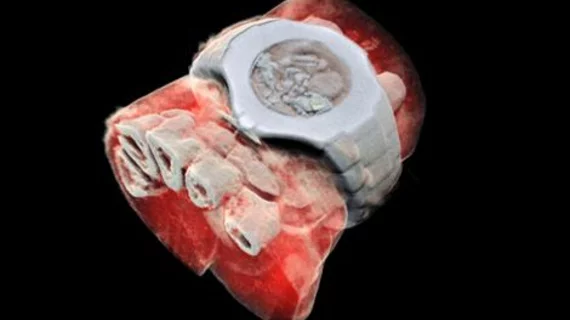
A 3D color medical scanner invented by father and son scientists in New Zealand recently imaged its first human subject, according to a news release from the University of Canterbury in New Zealand.
Transgender women who initiate cross-sex hormone therapy are at an increased risk of venous thromboembolism (VTE) and ischemic stroke, researchers reported in the Annals of Internal Medicine.
After a recent JAMA Oncology study suggested around a third of women might benefit from avoiding breast cancer screening altogether, one Guardian editorialist is warning women of the psychological toll that can come hand-in-hand with genetic screening.
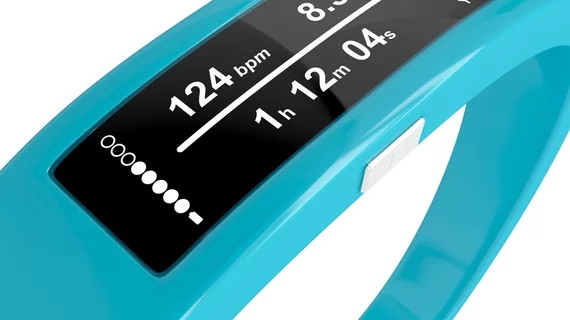
Wearables are widely known to count steps—but some people are counting on the devices to monitor their heart rate while using drugs. They count on wearables to determine the physical impact of the substance and they should continue using.