Health insurers in Kansas will be required to cover 3D mammograms starting next year, making it at least the eighth state in the U.S. to enact the policy, the Kansas City Star reported this month.
Researchers from the University of California, San Francisco (UCSF) have found that longer pelvic PET acquisition times during PET/MRI can improve the quality of care for patients with rectal cancer.
There’s a national shortage of radiologists in Scotland. Raigmore Hospital in Inverness lost its last interventional radiologist in a substantive post last week, BBC reported. The head of the country’s radiology group says the situation is dire.
Research from the Lawrence Berkeley National Laboratory has found light-emitting fragments known as alloyed upconverting nanoparticles, or aUCNPs, offer a unique window for radiologists to see deep into living tissue with little risk, potentially leading to high-precision radiation treatments.
Researchers have developed a new “glowing” imaging technique that can diagnose tuberculosis (TB) within an hour, according to research published in Science Translational Medicine.
Considering the pervasiveness of opioid misuse and abuse, people find novel avenues to access the drugs. FDA Commissioner Scott Gottlieb, MD, released a statement outlining resource guide for veterinarians to prescribe opioids for animals.
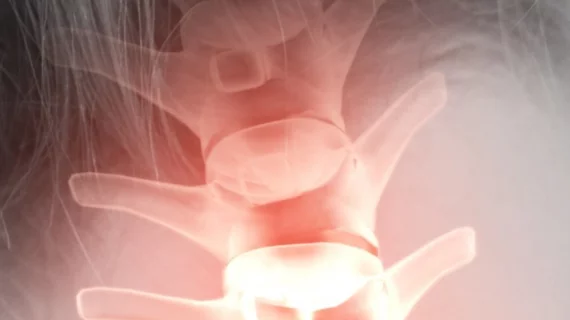
Dedicated spine CT in the acute clinical setting can be useful for catching fractures that might have been missed on an initial CT of the chest, abdomen and pelvis, according to research published in Current Problems in Diagnostic Radiology. But for the sake of time, money and resources, radiologists can expect visceral CTs to detect any injury needing surgical attention.
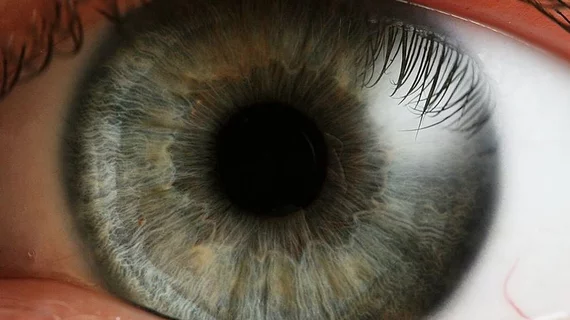
A 42-year-old British woman was shocked to find from an MRI scan that her swollen eye was because a contact lens had been embedded in her eyelid for 28 years, according to a recent article by CNN.
People with essential fructosuria, a rare genetic mutation, don’t have the enzyme needed to metabolize fructose, found in honey, fruits and vegetables. The benefit? Little to no risk of developing obesity or type 2 diabetes, reports Bloomberg.