According to new research in the Journal of the American College of Radiology, prostate MRI has various problems—including varying insurance coverage, a failure to recognize major clinical scenarios and a restrictive, inflexible clinical practices.
Exposure to fluoroquinolones—one of the most popular classes of antibiotics in the world—is associated with more than double the risk of aortic aneurysm or aortic dissection, according to a study published online in the Journal of the American College of Cardiology.
A research team is questioning the effectiveness of invasive procedures used to treat chronic pain following a study recently published in Pain Medicine.
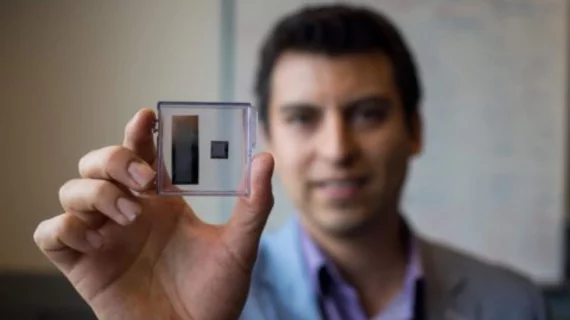
Engineers from the University of British Columbia (UBC) in Canada who developed a new ultrasound transducer say it could lower the cost of ultrasound machines to just $100. The probe is portable, wearable and can be powered by a smartphone.
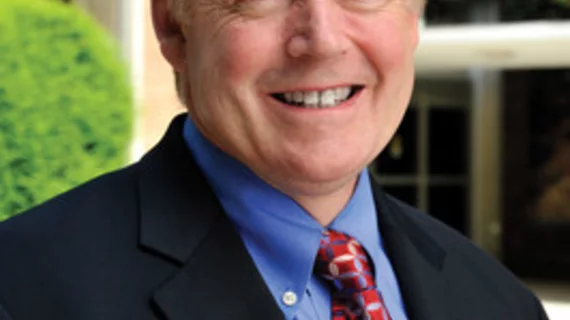
Following an extensive, national search, Henry Ford Health System has selected a new CEO for Henry Ford Hospital in Detroit, MI. Richard "Chip" Davis, Ph.D., is joining Henry Ford from Johns Hopkins Medicine and will begin Nov. 15, 2018.
A growing number of women are learning about their breast cancer diagnosis over the phone, according to a new study published in Supportive Care for Cancer. How can healthcare providers prepare for delivering such big news in such an impersonal way?
In a post-Affordable Care Act (ACA) insurance world, health systems have seen their operating margins deteriorate, according to a new study from Navigant Consulting—and the associated increases in scale haven't helped.
MRI has become a central part of diagnosing and managing prostate cancer, but private payer coverage has not kept up with this technological trend, reported authors of a recent Journal of the American College of Radiology study.
Consuming three or more servings of whole-fat dairy per day—especially in developing countries—has been linked to lower rates of cardiovascular disease, according to research published Sept. 11 in the Lancet.
A new mathematical pattern developed by Shekhar Chandra, PhD, from the University of Queensland in Australia, could make MRI scans four times faster, according to a university release from Sept. 11.