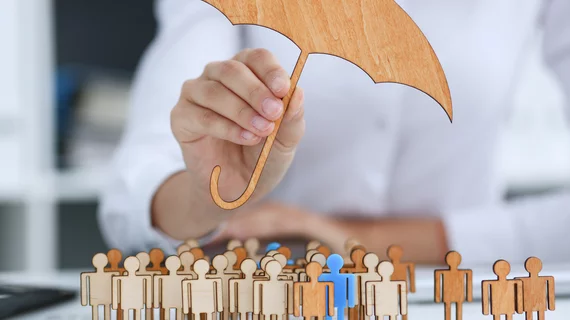
During the first full year of President Trump’s term, healthcare insurance rates remained relatively steady, according to new data from the U.S. Census Bureau.
Apple has disrupted its share of technology-based markets before—from the home computer to the phone. The latest product from the global behemoth has set its sights on cardiology. The new Apple Watch Series 4 comes with an FDA-approved electrocardiogram (ECG) feature.
The concept of “time in range” has been used in warfarin monitoring and glycemic management for diabetic patients, but why hasn't it caught on as a useful metric in controlling hypertension?
Cerner and Duke Clinical Research Institute have teamed up to develop a new CVD risk calculator app, the companies announced late this summer—a move they hope will improve shared decision-making between physicians and their patients.
The Society of Nuclear Medicine and Molecular Imaging (SNMMI) and the American Society of Nuclear Cardiology (ASNC) recently submitted comment to BlueCross BlueShield (BCBS) of Tennessee supporting its proposed expansion of cardiac PET coverage.
Several hospitals and healthcare organizations are now taking advantage of electronic data-sharing systems that provide real-time alerts about what’s happening within a facility, according to a report by Politico.
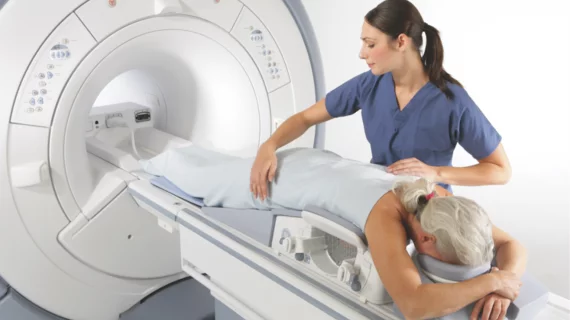
New research recommends breast MRI for women with ATM, CHEK2 and PALB2 gene mutations.
Radiologists can feel confident turning to breast MRI in instances when digital mammography (DM) and digital breast tomosynthesis (DBT) results are inconclusive, according to new research published in the American Journal of Roentgenology.
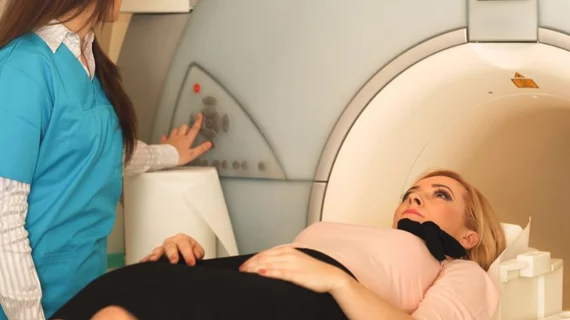
Biannual MRI is more effective than annual mammography in detecting early breast cancer in young women who have a high genetic risk of the disease, according to new research published in Clinical Cancer Research.
Radiologists analyzed gadolinium retention research and identified limitations to our current understanding of gadolinium-based contrast agent (GBCA) retention risks in a recent JAMA viewpoint.