Variable technologist training and skill levels, inconsistent onboarding and training, “constant” turnover, and a high number of unfilled positions all have contributed.
"Cutting payment for these lifesaving exams is not helpful. We look forward to working with regulators and those in Congress to arrive at more sensible imaging reimbursement policies," an ACR leader says.
In 2025 so far, the Plantation, Florida, imaging provider has changed its CEO and CFO while also creating a new CMO role filled by an outside radiologist.
AI can hurt or help the cause of advancing equality of resources, services and outcomes in healthcare. If it’s to do more helping than hurting, the technology must permeate primary care—and do so with certain goals and guidelines.
A new analysis from the National Bureau of Economic Research found that reduced competition among physicians has a similar impact on market dynamics as large-scale health system mergers, despite the former not receiving regulatory attention.
A new poll from YouGov measuring sentiment around President Donald Trump’s policies and the “Big, Beautiful Bill Act” found that the public fears healthcare costs are about to rise.
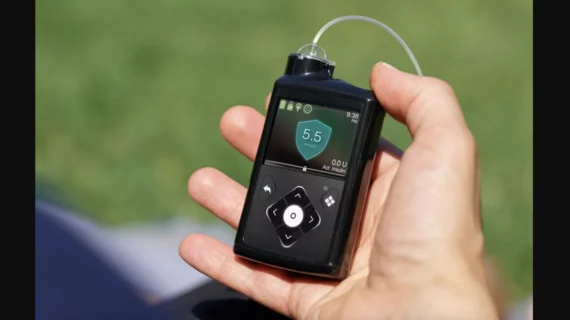
The MiniMed 780G automated insulin delivery system. Image courtesy of Medtronic/MiniMed.
The company's automated insulin pump can now be used to treat more patients thanks to an expanded CE mark approval. Could updates from the FDA be next?
Bacterial selective colonization in the hypoxic region of a 4T1 tumor, with region 1 indicating the active tumor area and region 2 indicating the hypoxic region. Caption and photo courtesy of Advanced Materials.
Essentially, the agent places a bright neon sign on the entirety of tumors and their borders, and it does so autonomously.
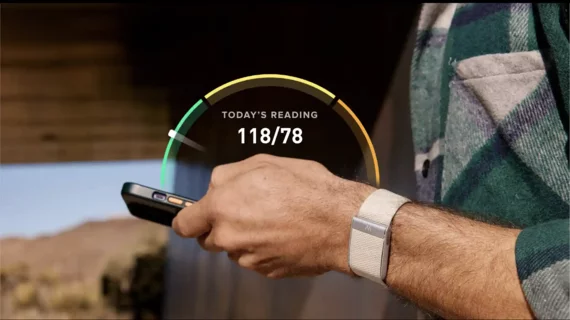
The FDA thinks 24/7 fitness trackers from Boston-based Whoop should be regulated like medical devices. Whoop disagrees, however, and neither side appears to be changing its mind.