Rapidly growing rates of obesity and diabetes—already threats to global health—will likely have fatal consequences in the case of a future flu pandemic, the Telegraph reported this week.
A California court has ruled that a class-action lawsuit filed against a program after a breach exposed the medical records of 93 people living with HIV can move forward.
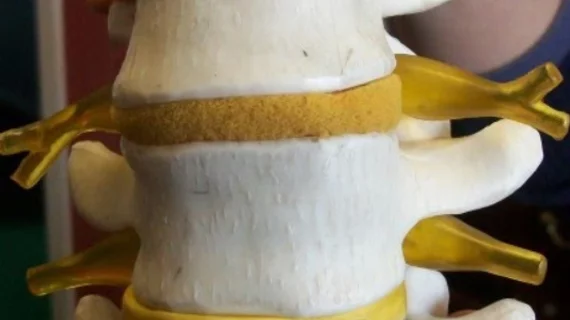
Korean researchers using metabolic monitoring with FDG PET/CT imaging modalities found the method effective in predicting treatment response after radiotherapy in patients with spinal metastases, according to research published Sept. 28 in the journal PLOS One.
Campbell County Memorial Hospital is an acute care hospital in Gillette, Wyoming, and the centerpiece of the Campbell County Health healthcare system. Like Gillette—a city that saw its total population jump by nearly 40 percent from 2000 to 2010—Campbell County Memorial Hospital has seen significant growth in recent years, opening a cath lab and enhancing its radiology department with new imaging equipment.
The European Society of Radiology (ESR) and GE Healthcare have announced a new partnership focused on artificial intelligence (AI) for the European Congress of Radiology (ECR) 2019 in Vienna, Austria.
Chest CT is more accurate than chest x-rays for postmortem rib fracture detection, according to research published in The Lancet Child & Adolescent Health.
Sand Lake Imaging in Orlando, Florida and Shepherd’s Hope, a nonprofit in the area, have partnered to provide free mammograms for uninsured women—their sixth year doing so, according to ClickOrlando.com.
The GALILEO trial has been stopped after an early look at outcomes revealed rivaroxaban was associated with greater odds of thromboembolic events, all-cause death and bleeding events compared to antiplatelet therapy following transcatheter aortic valve replacement (TAVR).
Nearly 1,300 entities signed agreements with CMS to participate in the agency’s latest bundled payment initiative, the Bundled Payments for Care Improvement (BPCI) Advanced model.
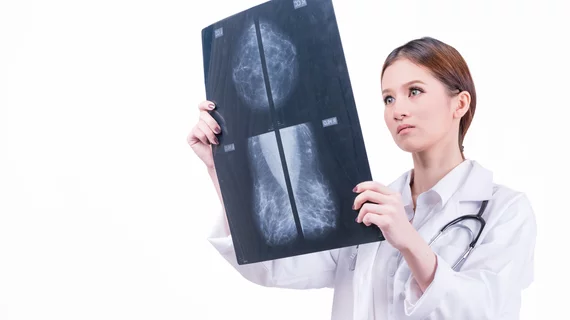
Researchers have found that malignant and nonmalignant architectural distortion (AD) in breast imaging exams are better detected by (three-dimensional) 3D mammography than (two-dimensional) 2D, according to a study published online Sept. 21 in the American Journal of Roentgenology.