Home

FDA approves potent opioid amid national overdose crisis

The World Health Organization (WHO) has officially endorsed the use of polypills—fixed combinations of multiple medicines contained in a single pill—for the prevention of cardiovascular disease, adding them to the latest edition of the WHO Model List of Essential Medicines.

Approximately 72,000 people died in the U.S. last year as a result of an opioid overdose. While Americans and lawmakers both agree that more needs to be done to improve the opioid abuse epidemic, the FDA approved yet another potent opioid on Nov. 2.

  • Read more about FDA approves potent opioid amid national overdose crisis

New Duke center to support big data, machine learning in healthcare

Machine Learning

The Duke University Pratt School of Engineering in Durham, North Carolina, has announced the launch of the Sherry and John Woo Center for Big Data and Precision Health. The center will support machine learning and data research projects and opportunities for Duke faculty and students globally.

  • Read more about New Duke center to support big data, machine learning in healthcare

In-hospital infections drive readmissions for ischemic stroke patients

Ischemic stroke patients—regardless of their individual characteristics or the severity of their stroke—are 20 percent more likely to be readmitted to the hospital within 30 days of discharge if they acquire any kind of infection during their initial stay, researchers reported Nov. 1 in Stroke.

  • Read more about In-hospital infections drive readmissions for ischemic stroke patients

CMS cuts hospital outpatient rates in final rule

hospital-736568_1920.jpg

CMS plans to cut $380 million in 2019 by establishing site-neutral payments to hospitals. The change, which was outlined in CMS’ Outpatient Prospective Payment System final rule on Friday, will lower out-of-pocket costs for beneficiaries but also reduce payments for hospital-owned outpatient settings.


  • Read more about CMS cuts hospital outpatient rates in final rule

‘Significant shortage’ of Mo-99 expected in November

The Society of Nuclear Medicine and Molecular Imaging (SNMMI) announced a “significant shortage” of molybdenum-99 (Mo-99) during the first half of November due to operations issues at various facilities.

  • Read more about ‘Significant shortage’ of Mo-99 expected in November

What does the 2019 MPFS final rule mean for radiology?

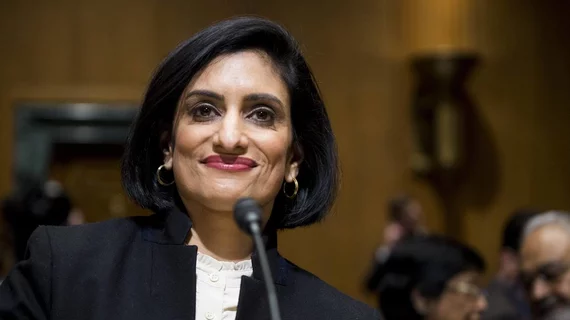
CMS Administrator Seema Verma

CMS has released its 2019 Medicare Physician Fee Schedule (MPFS) final rule, and the biggest takeaway for radiologists is the confirmation that ordering providers must consult appropriate use criteria (AUC) before ordering advanced imaging services beginning Jan. 1, 2020.

  • Read more about What does the 2019 MPFS final rule mean for radiology?

Consensus document aims to bring ‘coherence’ to PFO treatment

Europe

Eight European scientific societies joined forces to produce what they say is the first interdisciplinary position paper to help clinicians manage patients with patent foramen ovales (PFOs).

  • Read more about Consensus document aims to bring ‘coherence’ to PFO treatment

Q&A: ASRT president on why states need stronger imaging standards, licensing

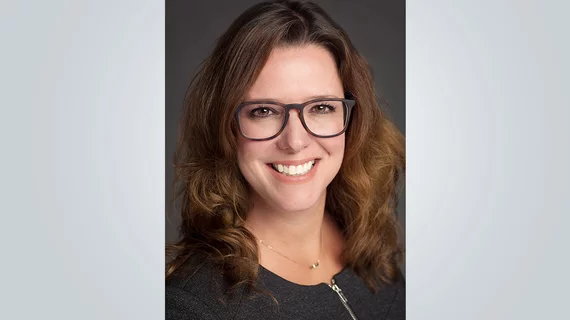
ASRT Melissa Jackowski

Courtesy of ASRT.

HealthImaging spoke with Melissa Jackowski, president of the American Society of Radiologic Technologists (ASRT), about the group’s legislative efforts and how they impact radiology.

  • Read more about Q&A: ASRT president on why states need stronger imaging standards, licensing

HHS drug pricing advisor dies

chiekashi16-us-capitol-dome-american-flag-on-clear-blue-day.jpg

Courtesy of Washington.org. 

Daniel Best, a senior advisor to HHS Secretary Alex Azar, passed away, the agency announced. He worked with HHS on drug pricing reform.

  • Read more about HHS drug pricing advisor dies

Bleeding avoidance strategies could save hospitals nearly $5K per PCI

While a vast majority of heart transplants in the United States are successful, unplanned hospitalizations after the procedures are still incredibly common. Top 10 reasons for readmission after heart transplant.

Physicians successfully reversed the bleeding risk-treatment paradox in percutaneous coronary intervention (PCI) by prioritizing risk-concordant use of bleeding avoidance strategies like bivalirudin, radial access and vascular closure devices, according to a report published Oct. 31 in the Journal of the American Heart Association.

  • Read more about Bleeding avoidance strategies could save hospitals nearly $5K per PCI

Pagination

    • First page « First
    • Previous page ‹ Previous
    • Page …2349
    • Page 2350
    • Page 2351
    • Page 2352
    • Current page 2353
    • Page 2354
    • Page 2355
    • Page 2356
    • Page 2357 …
    • Next page Next ›
    • Last page Last »
Subscribe
  • Home
  • News
  • Article Archive
  • Custom Content
  • Webinars
  • Press Releases
  • Content Studio
  • Advertising
  • Submit Press Release
  • Contact Us
  • Terms of Use
  • Privacy Policy
  • Cardiovascular Business
  • HealthExec
  • Radiology Business
 
© 2026 Innovate Healthcare | All Rights Reserved. | Terms of Use | Privacy Policy
 
Design by Adaptive Theme