Industry watchers have accused the healthcare conglomerate of having conflicting interests—employing docs and delivering medical imaging while also negotiating contracts with radiology practices.
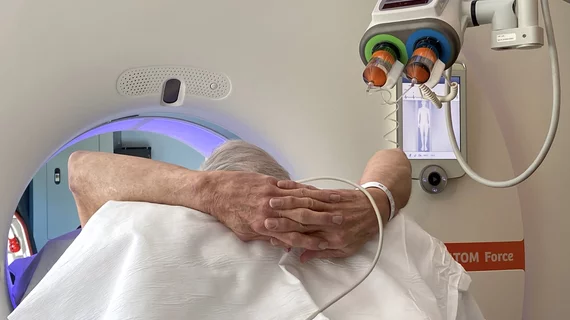
Patient undergoes a cardiac CT scan with IV contrast at Wellstar Kennestone Hospital in Marietta, Georgia. Photo by Dave Fornell.
One imaging policy expert called this stance from ACR and ASRT a “devastating blow” to physician offices and independent diagnostic testing facilities who use virtual supervision for Medicare patients.
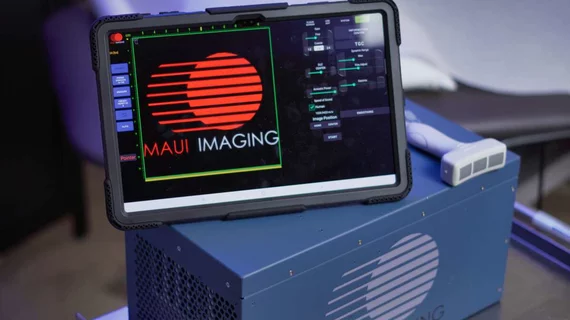
Founded in 2006 by Don and Dave Specht, the Arizona company’s computed “echo tomography” product uses sound waves to cross through body barriers for “rapid and effective imaging.”
Alan Matsumoto, MD, chair of the American College of Radiology, explains ACR support for the Radiology Outpatient Ordering Transmission (ROOT) Act in Congress.
Giving colchicine to patients prior to TAVR may reduce the risk of certain conduction disturbances, according to new research published in the Journal of the American Heart Association. It does not, however, improve survival.
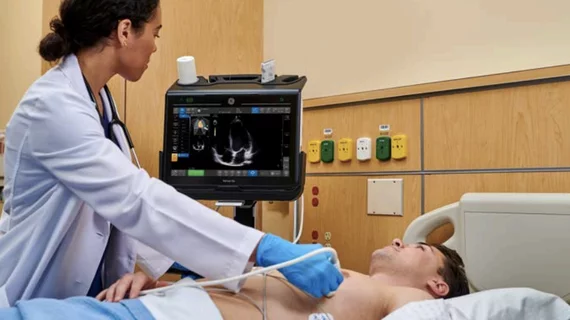
GE HealthCare's Venue Go point-of-care ultrasound (POCUS) system features AI-enabled tools to speed workflows, including Caption Guidance to help non-expert users capture diagnostic quality cardiac images. These systems helped drive positive earnings in Q2 2025.
Lower than expected tariff rates and the largest-ever order for Omni Legend PET/CT systems in the U.S. helped keep the bottom line positive.
Boston Scientific's Reliance 4-Front defibrillation leads.
The issue, associated with calcification, can make these devices less effective over time. The Heart Rhythm Society shared a detailed analysis of the situation.
The method targets cancer stem cells, which are highly tumorigenic and known to play a significant role in relapse, cancer spread and treatment resistance.