Speaking at a Politico health care policy forum, CMS Administrator Mehmet Oz, MD, said he supports Medicaid, adding that “when you love something, you protect it.”
The insurance giant has been piloting a program to speed up reimbursement to hospitals in 10 states, reducing delays by roughly 50%. Now, the company said it will work to lift prior authorization barriers on patient care delivery. The intent is to roll out these changes nationwide by the end of 2026, UnitedHealthcare confirmed.
By and large, U.S. hospitals and health systems do not have an AI adoption problem. But many—if not most—have an execution problem: They struggle to turn a set of installed AI tools into a measurable operational value.
Family physicians and other primary care providers don’t mind being held to account for care quality by healthcare administrators. The rub is that multiple other stakeholders often demand similar levels of answerability, pulling the doctors in different directions at once.
Developed by a board-certified diagnostic and interventional radiologist, the platform was trained using subspecialty data that general AI applications typically lack.
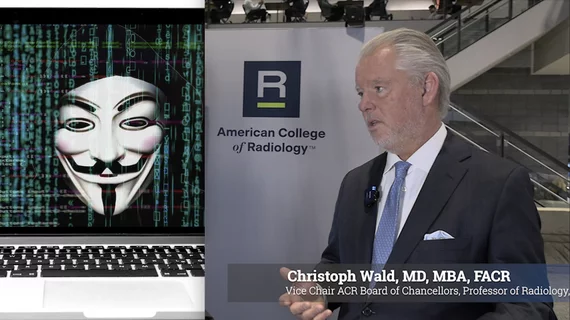
Christoph Wald, MD, vice chair of the American College of Radiology Board of Chancellors, explains the resources available to practices looking to bolster cybersecurity.
Although the company is already bringing in revenue from medical radioisotopes, the new funding will help further these initiatives and drive additional research and development.