Researchers used T2 mapping taken from weekly cardiac MRIs to help identify cardiotoxicity at an early stage, according to results of a pig study published Feb. 18 in the Journal of the American College of Cardiology. The findings could help cancer patients at risk of chemo-induced heart failure.
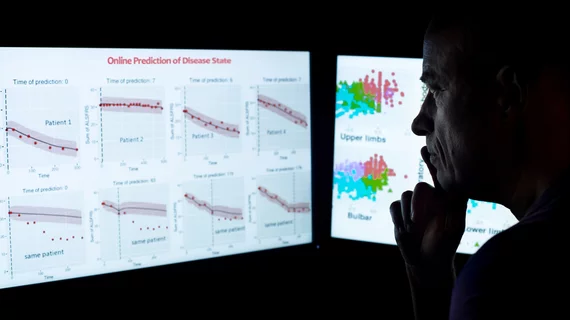
Boaz Lerner, PhD, machine learning professor at Ben-Gurion University, with the new AI platform for predicting ALS progression.
Source
Ben-Gurion University
After being challenged by an ALS group to study the disease closer by using data, a machine learning researcher has developed an AI platform designed to monitor and predict the progression of neurodegenerative diseases.
At an academic health system in Boston, referring physicians have been ordering more breast MRI scans since Massachusetts mandated that mammographers inform patients in writing of their breast density.
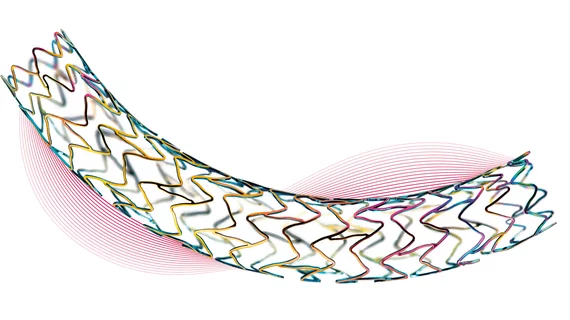
The Orsiro drug-eluting stent. Photo courtesy of Biotronik.
The ultra-thin Orsiro drug-eluting stent (DES) has received FDA approval and is now commercially available in the United States, device manufacturer Biotronik announced Feb. 22.
A nurse navigator-led program at Providence St. Vincent Medical Center in Oregon helped the hospital double its palliative care referral rates for advanced heart failure patients considered to be at high risk of readmission.
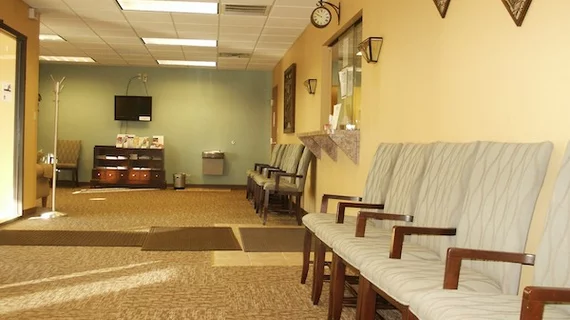
Getting to and waiting for a doctor’s appointment will likely take longer than getting a car repair, according to a recent analysis of travel and wait times among professional services by Altarum. All that waiting and traveling adds up to a significant burden in the U.S.–– an average of $89 billion annually in economic costs from 2006 to 2017.
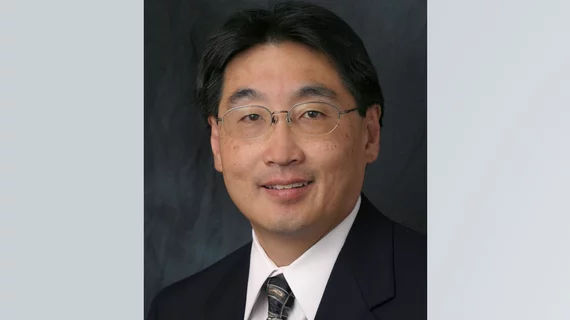
There is an "immaturity" between machines and humans, said Paul J. Chang, MD, of the University of Chicago. Unless radiology departments augment their current IT infrastructure, AI could become another technological-driver of burnout.
The total number of urgent care centers in the country grew from 8,125 in November 2017 to 8,744 in the same month in 2018—a total growth rate of 8 percent, according to the Urgent Care Association’s 2018 Benchmarking Report. These statistics underscore the changing healthcare preferences among a diversified patient population.
The American Society of Radiologic Technologists (ASRT) has announced the winners of the ASRT Foundation’s annual International Speakers Exchange Award.