Educating trainees on fMRI interpretation may be more effective using combined task activation display (CTAD) rather than displaying a single task at a time, reported researchers of recent study published in Clinical Imaging.
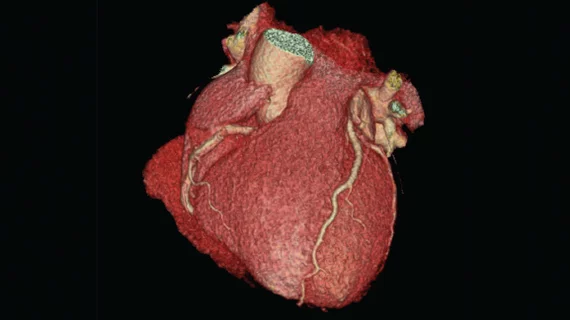
A new report from Australia highlighted the feasibility of transplanting hearts from donors who have experienced circulatory death—a practice which, if adopted, could expand heart transplant volume by an estimated 20 percent.
Two United Nations agencies have joined forces to create the Focus Group on Artificial Intelligence for Health (FG-AI4H)—a group of global representatives the UN hopes will help shape a streamlined, transparent process for vetting AI technologies in the healthcare space.
To improve transparency, black box algorithms are increasingly being built with functions that explain their diagnostic findings. But a recent NPR report examined how this isn’t always effective, and why a different approach to creating algorithms may be the answer.
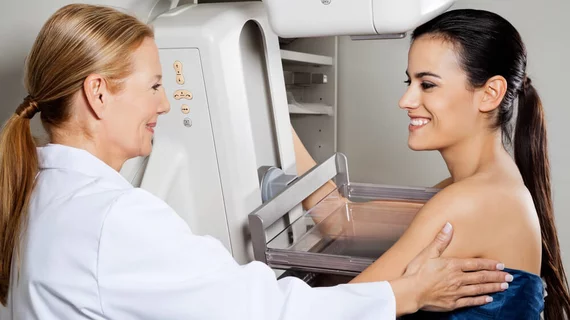
The D.C. Council has enacted Washington D.C.’s breast density reporting legislation, meaning that all women must now be informed after undergoing a mammogram if they have dense breast tissue.
Machine learning approaches including deep learning and random forest greatly improved a University of Nottingham team’s ability to predict premature death in a study of half a million U.K. Biobank participants, according to research published in PLOS One.
FRANKLIN LAKES, N.J., April 1, 2019 – BD (Becton, Dickinson and Company), a leading global medical technology company, announced the launch of the UltraScore™ 014 Focused Force PTA Balloon.
People who reported waking up in the middle of the night to use the bathroom were 40 percent more likely to have hypertension, according to a study presented March 30 at the Japanese Circulation Society’s annual scientific meeting.
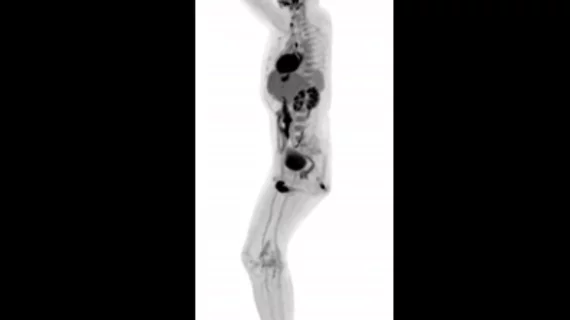
Courtesy of UC Davis and Zhongshan Hospital, Shanghai.
The world’s first total-body PET/CT scanner is associated with improved image quality and quicker scan times, according to findings published in TheJournal of Nuclear Medicine.
The American Diabetes Association (ADA) issued updates to its 2019 Standards of Medical Care in Diabetes on March 27 in light of recent evidence surrounding icosapent ethyl and dapagliflozin.