A deep learning model trained on more than 1.5 million electrocardiograms and developed by a team at the Mayo Clinic improved detection rates for hyperkalemia in patients with chronic kidney disease (CKD), according to a study published April 3 in JAMA Cardiology.
LAKE OSWEGO, Ore., April 10, 2019 — BIOTRONIK today announced the United States (US) commercial launch of the PK Papyrus® covered coronary stent system for use in the emergency treatment of acute coronary perforations.
International researchers have created a new ultrasound probe capable of delivering more precise treatment to women with gynecological cancers, reported authors of a feasibility study published in the Journal of Medical Imaging.
When the American College of Physicians (ACP) shared new breast cancer screening guidelines, recommending that women with no symptoms begin undergoing mammograms every other year at the age of 50, both professional imaging societies and individual radiologists came out against the decision.
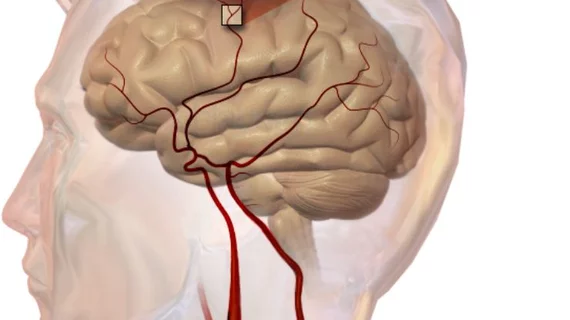
Endovascular thrombectomy (EVT) significantly reduced the risk of 90-day mortality in patients with acute ischemic stroke compared to medical therapy alone, according to a meta-analysis of 10 randomized trials cited in the 2018 update to American stroke guidelines.
Mental health researchers at Harvard and the University of Pennsylvania have developed a novel machine learning technique for predicting how bipolar patients will respond to two drugs commonly prescribed to treat the disorder, according to a study running in Bipolar Disorders.
The CDC has confirmed nearly 600 cases of a deadly multi-drug-resistant fungus in the U.S. as of February 28, with most cases concentrated in New Jersey, New York and Illinois.
Using computer-aided detection (CAD) software powered by artificial intelligence leads to fewer false-positive mammograms, according to new findings published by the Journal of Digital Imaging. Significant cost savings could also be realized by making such a switch.
Massachusetts Gov. Charlie Baker issued a piece of cautionary advice to healthcare executives April 8, urging them to take the recent rise of AI with a grain of salt, the Boston Business Journal reported.
Nursing home residents who were prescribed three or four preventive medications after myocardial infarction (MI) were 26% less likely to die within 90 days than those prescribed only one drug, researchers reported April 9 in Circulation: Cardiovascular Quality and Outcomes.