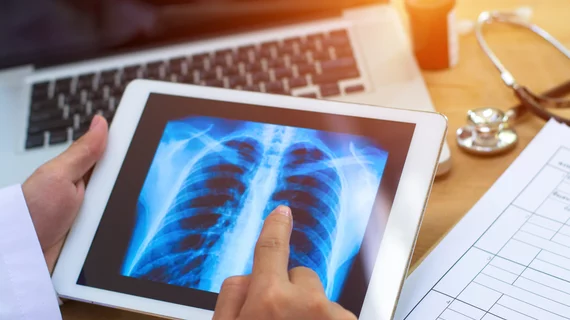
Radiology Partners announced Tuesday, May 21, that its specialists now provide imaging services for more than 925 hospitals, clinics and imaging centers throughout the United States.
Results from the TRILUMINATE study, presented this week at EuroPCR 2019 in Paris, suggest Abbott’s minimally invasive tricuspid valve repair system is an effective solution for patients with structural heart disease, reducing the severity of tricuspid regurgitation (TR) in more than 85% of test cases.
Researchers at Florida Atlantic University’s College of Engineering and Computer Science have developed an algorithm that can identify precise internal targets for ablation in atrial fibrillation patients—the first, they say, that can do so without the help of specialized catheters or 3D electroanatomic mapping.
National health spending reached $3.76 trillion in March 2019, a 4.6% jump from the same month in 2018, according to recent data from Altarum, underscoring signs of acceleration during the first quarter of 2019.
Daniel Picus, MD, was named the recipient of the William T. Thorwarth Jr, MD, Award on May 20, during the American College of Radiology’s Annual Meeting in Washington D.C.
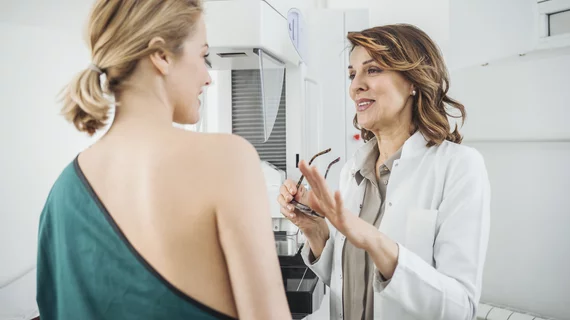
Ductal carcinoma in situ (DCIS) calcifications detected on screening mammograms are larger and grow at a faster rate than benign calcifications, according to new findings published in Radiology.
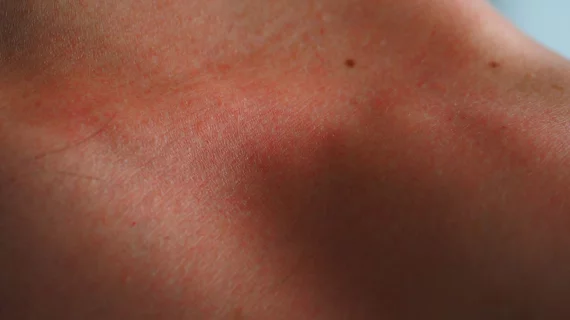
Deep learning can help diagnose skin cancer with high accuracy even when it has only low-tech dermoscopic images to work with, according to research conducted in Israel and published in The Lancet’s online journal eBioMedicine.
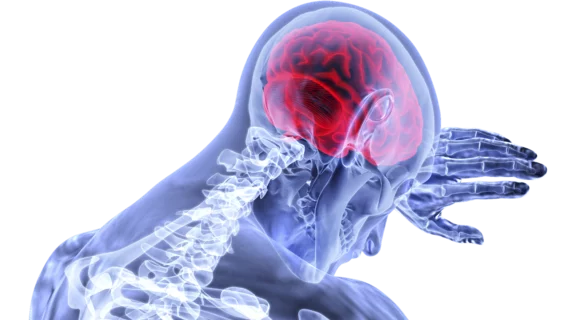
The popular anticoagulant dabigatran is no more effective than aspirin when it comes to preventing recurrent stroke in patients with a history of embolic events, researchers reported in the New England Journal of Medicine May 16.
An AI algorithm created by Google can predict lung cancer with high accuracy and improve the survival chances of those with the cancer through earlier diagnosis, according to a recent study. The findings were published in Nature Medicine on May 20.
An AI-optimized American College of Radiology Thyroid Imaging Reporting and Data System (TI-RADS) improved risk stratification of thyroid nodules and may be easier for readers to use, according to a new study published in Radiology.