Medical directors of cardiac catheterization and EP labs receive three to four times the amount of money from pharmaceutical companies and device manufacturers as other interventional cardiologists in the same zip code, according to a JAMA Internal Medicine study.
Supplemental training can help radiologists improve their performance when interpreting breast cancer screening examinations, according to a new study published by the Journal of the American College of Radiology.
Healthcare stocks are reeling following an executive order from President Trump that would give HHS the ability to require hospitals and health insurance companies to provide patients with prices for healthcare services based on negotiated rates.
As surprise billing solutions are more readily being talked about in Congress and among healthcare leaders in the industry, Americans are blaming their insurance companies for the problem, according to a recent survey from Morning Consult and the American College of Emergency Physicians.
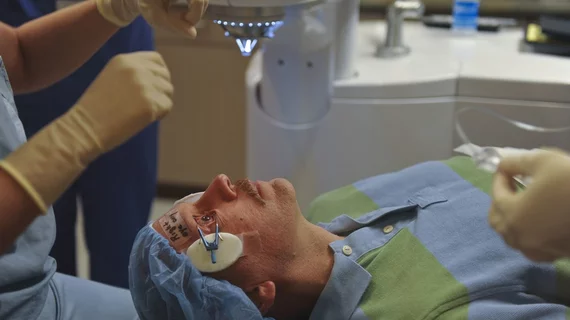
Eyesight researchers have developed a machine-learning architecture whose best model, an ensemble classifier, achieved 93.4% accuracy in separating good candidates for corneal refractive surgery from patients likely to have post-surgery complications or poor outcomes.
A new combination therapy using 177Lu PSMA-617 and idronoxil (NOX66) is effective for treating patients with prostate cancer, according to research presented at the Society of Nuclear Medicine and Molecular Imaging (SNMMI) 2019 Annual Meeting in Anaheim, California.
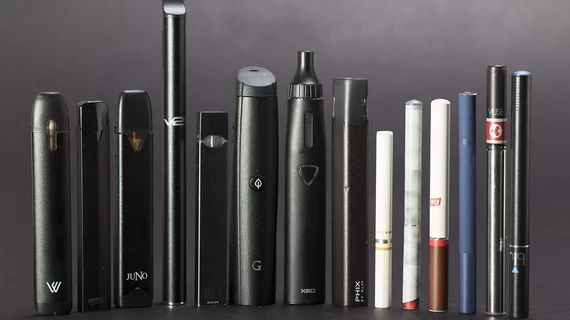
San Francisco will be the first city in the U.S. to ban the sale and distribution of e-cigarettes, NPR reported Tuesday—a significant move considering the nation’s biggest producer of e-cigs, Juul Labs, is based in the city.
With the “volume to value” movement pushing radiologists to prove their contributions to cost containment, some are feeling uneasy. After all, imaging utilization stands to be curbed—or at least eyed more closely than ever before for appropriateness.
It’d be a stretch to say Walmart has gone into the radiology business. But there’s no denying that the retail behemoth has made a business decision having everything to do with radiology.
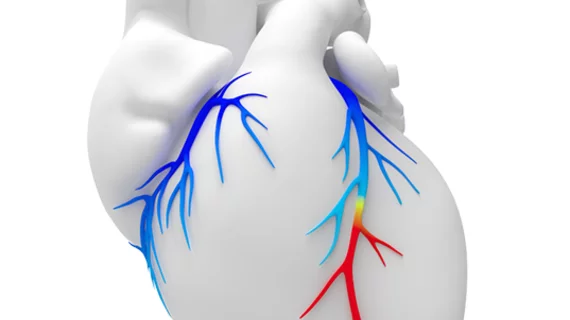
Positron emission tomography/computed tomography (PET/CT) shows a strong correlation between severe obstructive sleep apnea (OSA) and impaired coronary flow, making it an important tool for helping to avert cardiac complications that occur when OSA is left untreated.