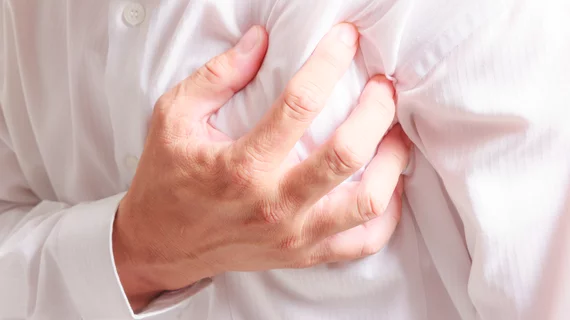
Research published in Circulation: Cardiovascular Quality and Outcomes July 9 suggests the public health burden of pulseless in-hospital cardiac arrests is around 38% higher in adults and 18% higher in children than was previously believed.
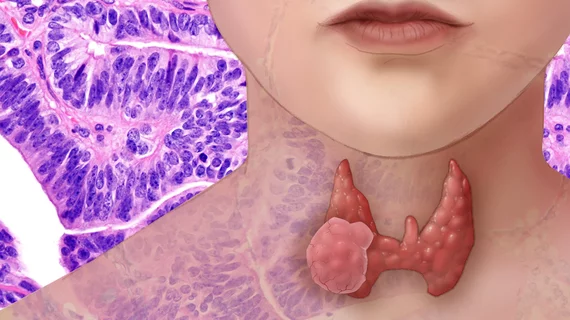
The algorithm improved the specificity of thyroid biopsy recommendations, beating seven of nine radiologists. With more research, the algorithm could help in the decision-making process for assessing thyroid nodules.
Multivitamins and the bulk of nutritional supplements do little to protect heart health, in some cases increasing a person’s risk for CV events, an analysis published in the Annals of Internal Medicine has found.
A federal judge has blocked the Trump administration’s rule requiring drugmakers to publish the list prices of prescription medications in direct-to-consumer television advertisements.
Several plant-based foods readily available in supermarkets contain bioactive molecules that could not only prevent cancer but also treat it, accomplishing the latter with protective mechanisms similar to those activated by existing clinical therapies.
Radiology is the fourth most requested physician search assignment for the second consecutive year, according to a new report from Merritt Hawkins. In addition, the specialty’s average base salary is $387,000, up 4.3% from $371,000 in 2017/2018.
Invasive cardiologists earn the top starting salary in medicine, according to a new report from Merritt Hawkins, raking in an average $648,000 in their first year of practice.
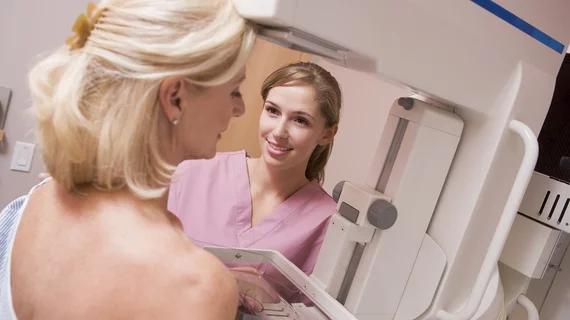
Contrast-enhanced spectral mammography (CESM) can be a helpful method to screen for postoperative breast cancer when paired with traditional mammography, according to research published July 6 in Clinical Radiology.
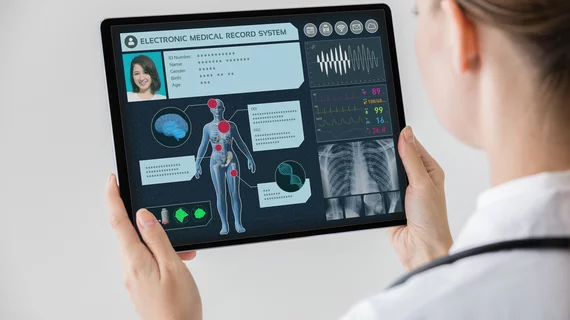
Researchers from Kaiser Permanente have developed a machine learning algorithm that could help prevent the spread of the HIV virus by finding at-risk patients and getting them on prevention medications. The researchers published the findings of their prediction model in The Lancet HIV.
A new ultrasound method called passive cavitation imaging (PCI) can create an image estimating the amount of a drug that has crossed the blood-brain barrier (BBB), according to new research conducted at Washington University in St. Louis.