The updated LR-5 criteria for Liver Imaging Reporting and Data System (LI-RADS) version 2018 can improve sensitivity for diagnosing small hepatocellular carcinomas (HCC) compared to LI-RADS 2017.
The VA’s inaugural director of artificial intelligence believes the technology is “the only way” to move healthcare closer to its perennial dual goals of reducing costs and providing better care.
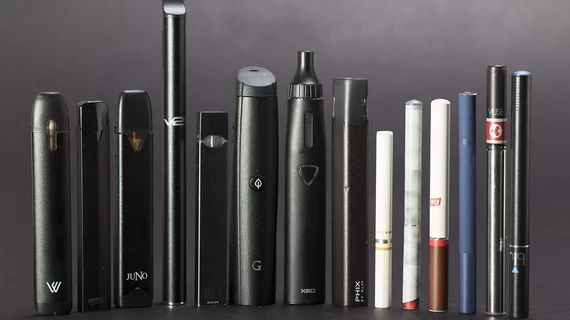
A federal judge has set a 10-month deadline, ending in May 2020, for e-cigarette and cigar makers to apply for FDA authorization to keep their products on the market.
NorthStar Medical Radioisotopes has finished construction of its new molybdenum-99 (Mo-99) processing facility in Beloit, Wisconsin, the company announced on July 16.
Abbott’s fourth-generation MitraClip device was approved by the FDA July 15 to treat mitral regurgitation (MR) in a wider population of patients, the company announced this week.
Dermatology researchers have mined Reddit discussion forums with natural language processing and come away with some surprising insights into patients’ at-home skin treatments for conditions like acne, eczema and psoriasis.
The FDA has approved Bayer’s gadobutrol (Gadavist) injection for use in cardiac MRI, making it the first contrast agent approved for the imaging technique, according to a statement from Bayer.
NorthStar Medical Radioisotopes announced Tuesday, July 16, that the construction of its new processing facility for molybdenum-99 (Mo-99) is now complete.
For radiology to truly benefit from AI’s potential, the specialty must learn how to get the most information possible out of all available digital data.
After more than three decades away from the cause, Brigham and Women’s Hospital cardiologist James Muller, MD, is back to warn a younger generation of physicians about the threat and potential consequences of nuclear war, the Boston Globe reports.