AHRA CEO Daniel Kelsey, MBA, CAE | Image courtesy of TriMed Media
Rock and roll, inflatable instruments and choreographed dance breaks may not seem like they have much to do with radiology, but they were all present Monday, July 22, at the AHRA 2019 Annual Meeting in Denver, Colorado.
A deep learning classification approach can identify cancerous regions from benign areas in optical coherence tomography (OCT) images of breast tissue, according to results of a July 17 study published in Academic Radiology.
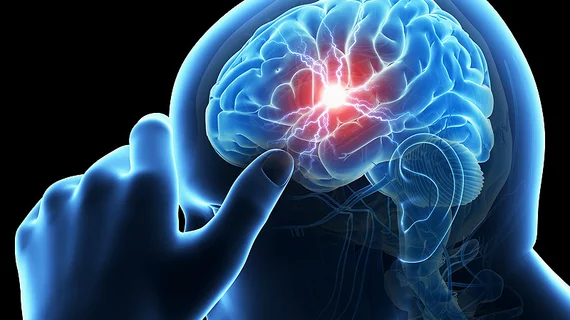
Medtronic and Viz.ai have announced a new partnership aimed at speeding up the implementation of Viz.ai’s AI solution for detecting suspected large vessel occlusion (LVO) strokes.
According to provisional data from the CDC, overdose deaths from opioid abuse in the U.S. likely fell in 2018, representing the first decline in roughly 30 years.
The FDA on July 15 approved Sun Pharmaceutical Industries’ sprinkle formulation of rosuvastatin, an alternative to traditional lipid-lowerers for patients who have difficulty swallowing.
Of the 27 million hospital emergency department visits annually by privately insured individuals, 18 million are avoidable, according to new figures from UnitedHealth Group. Systemwide, treating people in primary care settings instead of the ED represents a huge savings opportunity of $32 billion.
The University of Chicago has agreed to pay $2.6 million to settle a malpractice lawsuit claiming the actions of its cardiology staff in July 2014 led to the untimely death of a 61-year-old heart patient.
Medtronic and Viz.ai, a growing leader in artificial intelligence, are collaborating on a new software to automatically alert specialists when a stroke is identified during a CT scan.
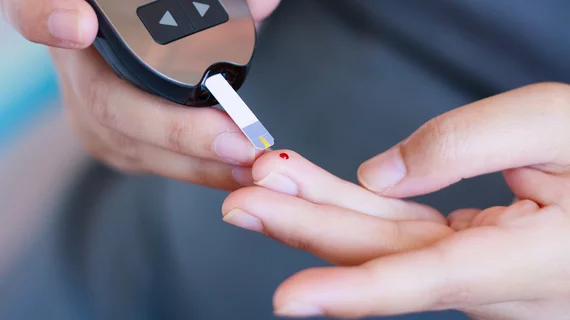
For people with diabetes, turning 26 is a cliff that can turn deadly. That’s because, at that age, young adults are kicked off their parents’ insurance plans and must find their own coverage and continue taking life-saving medication they simply cannot afford.
A deep learning model that simulates a clinician’s diagnostic process can accurately diagnose Alzheimer’s disease from cognitively normal patients, according to a study published July 16 in Neurocomputing.