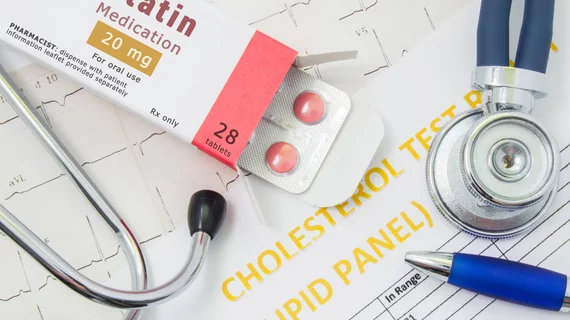
Consumers in the U.S. spends more than 2.5 times the amount U.K. residents spend on prescriptions and over-the-counter medication, according to a recent report on the cost of care.
Radiologists are performing a larger share of paracentesis and thoracentesis procedures in Medicare patients compared to nonradiologists, according to an analysis published Aug. 14 in the Journal of Vascular and Interventional Radiology.
Istaroxime, a dual action, luso-inotropic agent that’s still in clinical development, was granted fast-track designation by the FDA this month as a possible treatment for HFrEF.
Medical mistakes are one of the leading causes of death in the U.S., and patients can experience harm when they are seeking care at hospitals. Knowing how patients are being harmed is crucial for healthcare providers to improve quality of care and outcomes.
An August 19 science advisory from the AHA states that a 4-gram dose of prescription omega-3 fatty acid medication can greatly reduce people’s triglyceride levels, but patients likely won’t see the same results if they turn to popular—yet unproven—fish oil therapies.
An audio/visual reporting tool integrated into an emergency department’s musculoskeletal workflow can improve communication between radiologists and referring providers while making imaging findings easier to comprehend.
Two patients in Pennsylvania have been awarded $8.5 million in damages in a medical malpractice suit after doctors did not properly communicate the radiologist’s findings.
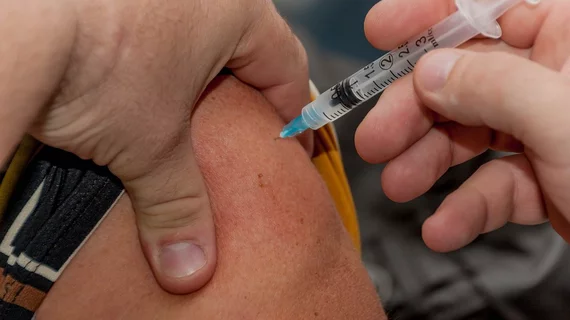
Customs and Border Protection will not administer flu vaccines to migrants held in border detention facilities, CBS News reported. The decision comes just weeks before the flu season in the U.S. is expected to hit.
Boston Scientific Corporation announced that it has received FDA approval for its Vercise Gevia deep brain stimulation (DBS) system to be used during full-body MRI scans.
A single dose of the lipid-lowerer simvastatin, delivered to an organ donor pre-heart transplant, could decrease postoperative troponin levels in transplant recipients and protect the donor heart against perioperative myocardial ischemic damage.