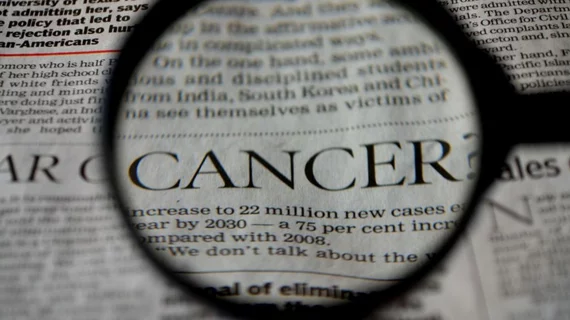
Researchers have uncovered evidence of a global “epidemiological transition” that’s seeing cancer overtake cardiovascular disease as the biggest killer in developed countries, Reuters reports.
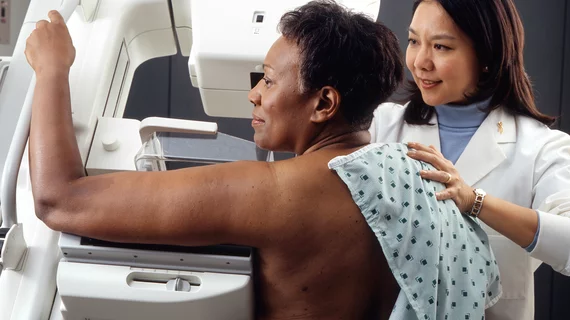
Many radiologists believe patient-provider discussions about screening mammography and supplemental screening are inadequate, according to findings published in the Journal of Breast Imaging. The specialty appears ready to step up and take a more visible role in patient education.
More than 3,400 drugs saw price hikes in the first half of 2019, with the average increase being more than five times the rate of inflation, according to CVS Caremark.
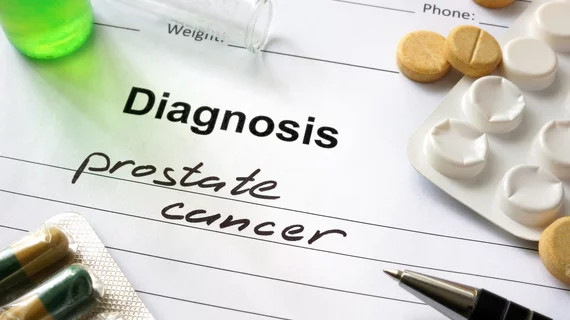
Using [68Ga]Ga-PSMA-11 PET/CT to monitor treatment response in prostate cancer patients can offer important lesion-based insights over prostate-specific membrane antigen (PSMA)-based monitoring, according to a new study published in EJNMMI Research.
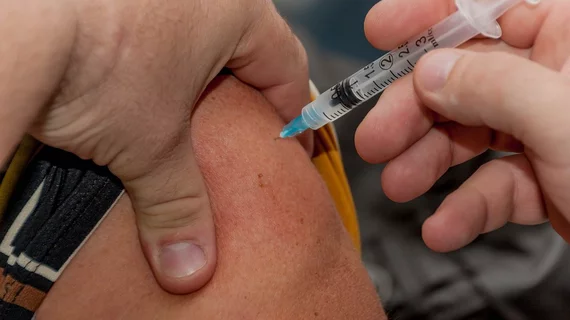
Research presented this month at the ESC Congress in Paris suggests that getting a yearly influenza shot could greatly cut hypertensive patients’ risk of dying during flu season.
Healthcare providers should offer risk-reducing medications such as tamoxifen, raloxifene and aromatase inhibitors to women at an increased risk of breast cancer or low risk of experiencing adverse effects, according to the U.S. Preventive Services Task Force (USPSTF).
“Like all aspects of medicine, it's important to make sure imaging is justified, and that the potential benefits are balanced against the potential harms," said lead author Rebecca Smith-Bindman, MD.
In the U.S., heart disease has been the reigning top cause of death for a number of years, but cancer is quickly becoming the top killer in some high-income and upper-middle-income countries, according to a new study published in The Lancet.
Patients with a family or personal history of allergic reactions to contrast agents are at risk of experiencing similar reactions in the future, according to a new study published in Radiology.