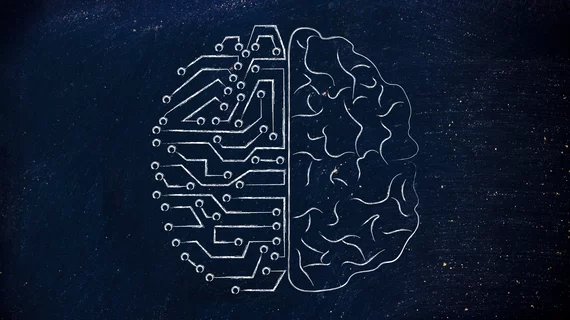
Medical imaging professionals and radiation experts are in a position to play a significant role as AI technologies continue to evolve, according to a new commentary published in the Journal of Medical Imaging and Radiation Sciences.
"We've been telling patients that even if these injections don't relieve your pain, they're not going to hurt you," said study author Ali Guermazi, MD, PhD. "But now we suspect that this is not necessarily the case."
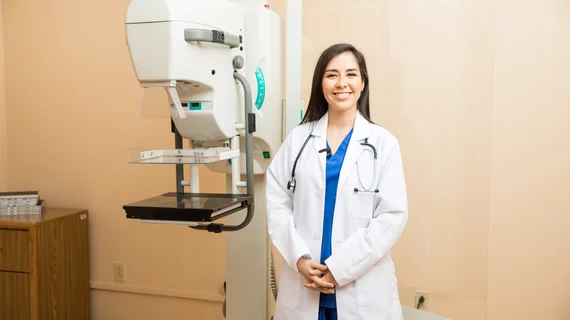
GE Healthcare is teaming up with Premier Inc. to create America’s first one-stop breast cancer diagnostic center, where women can receive their imaging results the same day as testing.
A study of more than 100,000 urban commuters in China suggests that walking or cycling to work can lower people’s risk of ischemic heart disease (IHD) and stroke, even when factoring in the “rather serious air pollution” in the country.
Consuming smaller amounts of alcohol more frequently is a greater risk factor for atrial fibrillation than binge drinking, according to a study published in EP Europace Oct. 17.
Researchers are urging radiological professionals to stay visible and active as their institutions incorporate artificial intelligence into their imaging practices.
"The AI we use works almost like magic—and it will help radiologists save lives," said Antonio Sze-To, a postdoctoral fellow who worked on the project.
New drug launches are pushing overall drug prices higher, according to an analysis by 46Brooklyn. Drugmakers may not be increasing existing drug prices as high as they once did, but new drug launches are more than making up for that change, the report found.
The FDA on Oct. 15 issued a warning letter to India-based Torrent Pharmaceuticals, targeting the drug company as one of the primary contributors to the onslaught of BP drug recalls in the past year.