As healthcare strives to be everywhere for every patient, clinicians may be on the fast track to burnout. Here’s how some practices are dispersing their teams to achieve quality care, efficient workflows and satisfied clinicians.
Numerous healthcare providers and technology companies are working together on a new research project focused on using AI to improve care for patients with subarachnoid hemorrhages and diabetes.
In his new book, Haider Warraich, MD, looks back at cardiology’s remarkable past and predicts what today’s challenges signal for the specialty’s future.
With the announcement, the AMA will add two category III CPT codes to report “wound bacterial localization and treatment” beginning July 1 of next year.
Healthcare technology is constantly changing, something radiologists know all too well. And while some within the specialty have expressed fear or concern over the continued rise of AI, a new commentary in Clinical Radiology noted that it’s all par for the course—and radiologists must rise to the occasion yet again.
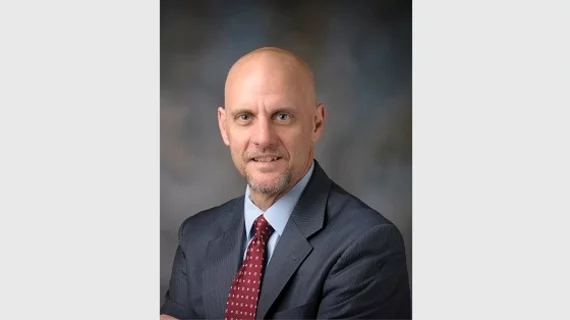
Stephen Hahn, MD, chief of radiation oncology and chief medical executive at MD Anderson Cancer Center in Houston, has been nominated to be the new commissioner of the FDA.
It’s been more than six weeks since Zantac and generic formulas of ranitidine were pulled from pharmacy shelves due to carcinogenic impurities, but physicians in Pittsburgh aren’t convinced the recalls are over.
Presagen, an Australia-based information technology company, has launched AI Open Projects, a new online platform that helps healthcare providers crowdsource the data they need to develop new AI solutions.