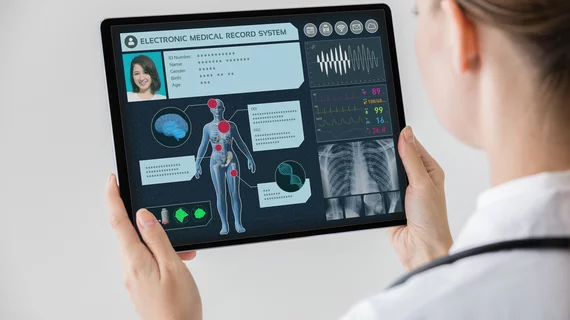
HHS is looking into a secret project between Google and Ascension after news reports revealed Google was collecting personal health information, including names and birthdates, of millions of U.S. patients under the partnership.
Typically, primary care doctors must manually check the EHR to figure out whether a patient is eligible for a screening, but that step often gets lost during the course of a busy day.
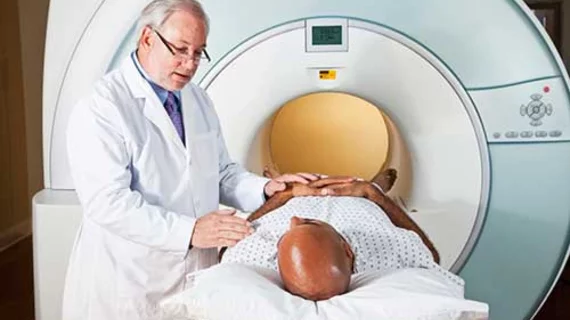
Radiology has undertaken many efforts to reduce patient exposure to radiation during imaging exams, and findings from a new report suggest those campaigns have made a significant impact.
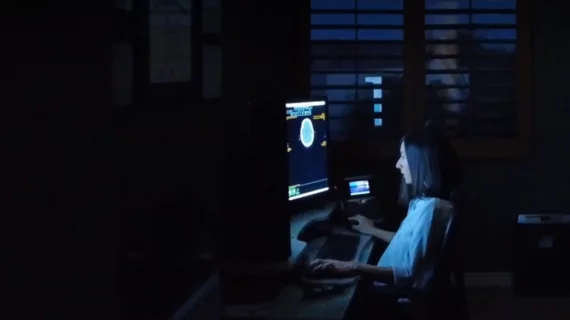
AI can provide significant value to radiologists by sending urgent imaging studies to the top of their worklists, according to a new analysis published in Academic Radiology.
Keeping up with accurate provider directories detailing in-network providers comes with a big annual price tag––nearly $3 billion, according to a new report from CAQH.
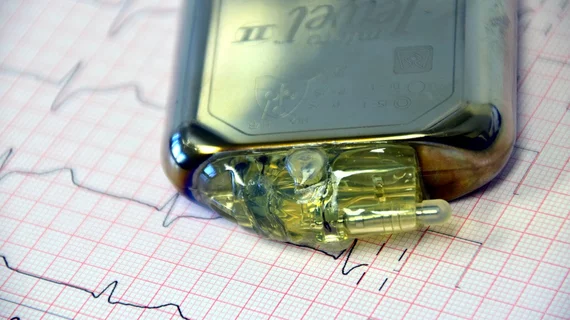
A novel pacemaker designed to mimic a patient’s organic breath increased blood flow to the heart in a study of individuals with heart failure, according to research published in the journal Thorax.
Patients with heart failure and reduced ejection fraction are well served by treatment with the glucose-lowering drug dapagliflozin, as it warded off death and hospitalization while also improving quality of life when added to standard care regimens in a major trial.
During the decade that ended in 2016, interventional and diagnostic medical radiation dose use has plummeted 15% to 20%, the National Council on Radiation Protection and Measurements reported on Nov. 18.
FUJIFILM Medical Systems U.S.A., Inc. will be unveiling Synapse® 7X, a server-side viewer platform that extends across enterprise imaging areas, at RSNA 2019 in Chicago.
Vendor relationships can sometimes be mundane and ordinary, the kind that involve minimum communication and a lack of understanding of the visions and goals of each organization.