A major industry group representing pharmaceutical companies has ceased funding to a nonprofit group that aims to help people addicted to opioids, Politico reported.
Rad AI, a Berkeley, California-based healthcare startup focused on bringing AI to radiology, is launching with a $4 million funding round. The round was led by Gradient Ventures, Google’s venture fund dedicated to AI-related investments.
A study out of Ontario, Canada, has found that physicians undergo less guideline-recommended preventive testing for conditions like hyperlipidemia and diabetes, yet they fare better than members of the public when it comes to long-term health outcomes.
The market for blockchain technology in healthcare could exceed $500 million by 2022, according to a new report. This includes an estimated compound annual growth rate of 61.4%.
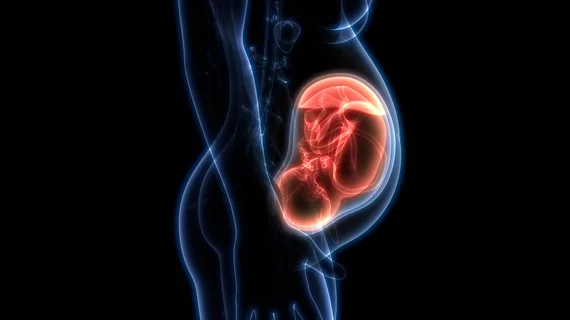
Infants exposed to such drug use suffer from withdrawal when they are born, also called neonatal abstinence syndrome. The condition requires lengthy hospital stays with severe situations calling for opioid treatment.
AI is expected to have a transformative impact on healthcare, especially radiology. According to a new analysis in the European Journal of Radiology, however, there are significant ethical issues that need to be addressed for any legitimate progress to be made.
Homeless people hospitalized for heart attacks are far less likely than their non-homeless counterparts to undergo angiography, PCI or CABG, according to research published in JAMA Internal Medicine this month. They also see higher death rates across the board.