Attracting women into the radiology profession continues to be a challenge, but one Boston-based hospital may have found the secret sauce to reversing this trend.
Pre-procedural computed tomography could help identify heart patients prone to complex lead extractions and locate severe lead adhesions prior to intervention, according to research published in JACC: Clinical Electrophysiology.
As more technology companies are working on healthcare solutions and developing new products, health information and patient data is becoming more valuable––and hospital executives are seeing a flood for requests, according to a report from CNBC.
Eko, a San Francisco-based healthcare technology company, announced that its ECG-based algorithm for heart failure has been granted a Breakthrough Device designation by the FDA.
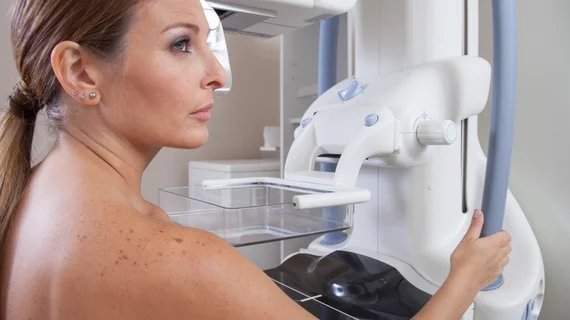
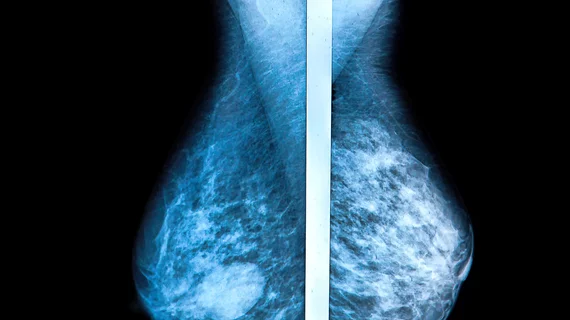
A North Carolina radiology provider has stopped performing mammography screenings after technical concerns led to it losing accreditation for the service.
Yale University researchers recently made their pitch to address the practice of surprise medical billing in a new study, published Monday, Dec. 16, in Health Affairs.
The ACR analyzed a small sample of mammograms completed at Raleigh Radiology Blue Ridge over a two year period, finding quality problems in some images.
AI continues to evolve at a rapid pace, with new algorithms and solutions being developed all the time. What kind of long-term impact could these technologies have on patient care?