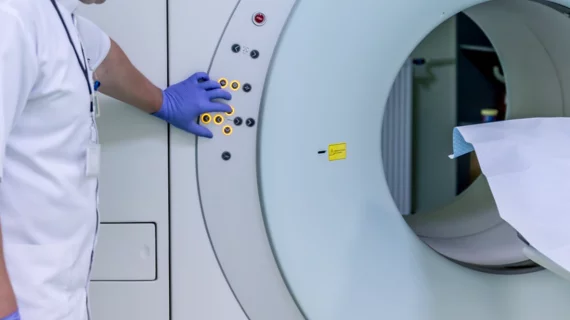
A study published in the latest edition of JACC: Cardiovascular Imaging suggests cardiac magnetic resonance imaging can be as effective as measurements of fractional flow reserve in evaluating nonculprit lesions after STEMI.
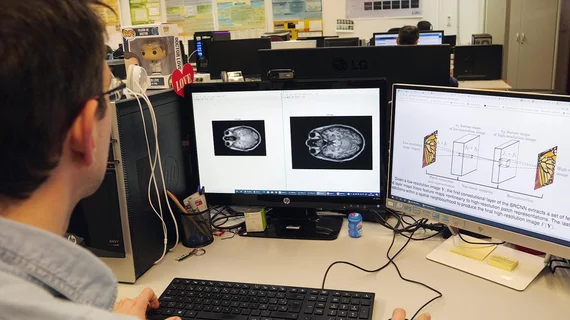
Experts believe their approach will allow specialists to pinpoint brain-related pathologies—such as physical injuries, cancer or language disorders, among other things—with improved accuracy.
Digital health is having a moment as a healthcare subsector, reaping in billions in funding over the last several years, but its broad definition is bringing some confusion to its cause, according to a CNBC report.
Machine learning (ML) algorithms can be trained to predict acute kidney injury (AKI) in burn and trauma patients within the first 24 hours, according to a new study published in Scientific Reports.
Civica Rx, the startup drug company founded by health foundations, is teaming up with Thermo Fisher Scientific in a seven-year agreement to develop and manufacture medications, with Civica serving as the owner of the regulatory pathway.
Rich people live an average of seven to nine more disability-free years than their socioeconomically disadvantaged peers, according to research published in the Journals of Gerontology: Medical Sciences Jan. 15.
Those reservations come in response to a presidential executive order in October, calling for the need to expand scope of practice to improve senior care.
Two St. Louis-based researchers are denouncing “executive screening programs” targeted at affluent individuals who do not have any cancer symptoms, but want to avoid any future surprises.