Grand jury indicts telehealth provider in alleged $100M Adderall distribution scheme

Department of Justice DOJ

The U.S. Department of Justice has formally accused Done Global of unlawfully distributing ADHD medications without medical need, using a subscription program and targeted advertising to find patients searching for drugs. The company is also accused of filing false medical claims to Medicare, Medicaid and commercial insurance. Done's founder and CEO was convicted last month on related charges and awaits sentencing. 

ACC calls for better management of peripheral artery disease in diabetic patients

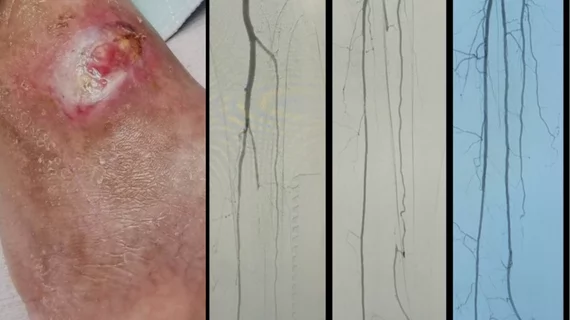
A diabetic foot ulcer that does not heal due to low blood supply from peripheral artery disease (PAD), and the before and after interventional angiograms of the patient's revascularization treatment. Images courtesy of Foluso Fakorede, MD

A diabetic foot ulcer that does not heal due to low blood supply from peripheral artery disease (PAD), and the before and after interventional angiograms of the patient's revascularization treatment. Images courtesy of Foluso Fakorede, MD

PAD in patients with diabetes is common and associated with an increased risk of several adverse events. A new guidance from the American College of Cardiology reviewed this topic at length, identifying areas where care needs to improve.

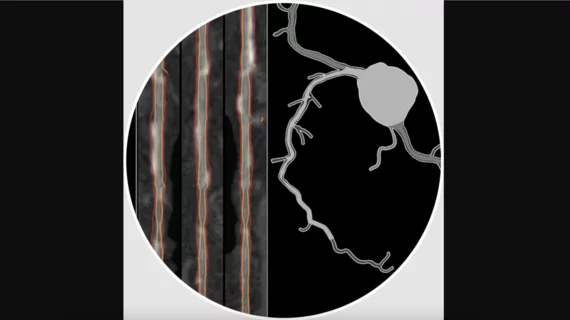
Cardiology’s biggest trend: New scientific statements take on AI-powered coronary plaque evaluations

HeartFlow Plaque Analysis. A European Heart Journal – Cardiovascular Imaging study compared the noninvasive Plaque Analysis technology developed by HeartFlow, which uses advanced AI algorithms to evaluate coronary CT angiography (CCTA) images, with coronary plaque assessments achieved by using intravascular ultrasound (IVUS). The REVEALPLAQUE trial included data from 237 patients. Plaque Analysis showed strong correlation and high accuracy when compared with IVUS.

Plaque Analysis image courtesy of Heartflow.

The ACC and AHA both issued new statements on noninvasive CCTA offerings that use advanced AI to evaluate patients with suspected CAD. These technologies have gained significant momentum in recent years, and experts agree that they represent a game-changing advancement in the world of cardiovascular imaging.