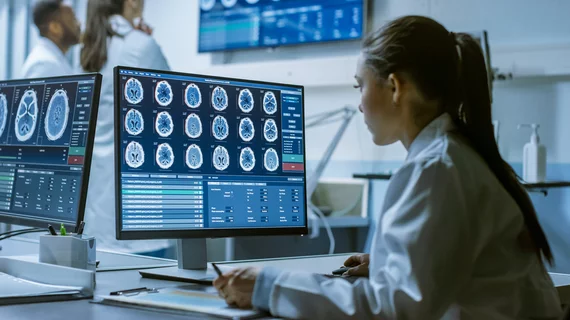
An AI startup in the neuro-oncology space has received the government’s go-ahead to market software for analyzing certain fast-growing brain tumors on MRI.
If generalizable AI models are to meaningfully contribute to precision cancer care, they’ll need to incorporate not only imaging data but also digitalized clinical notes, biomarker assays and monitor readouts.
Could wearables help AFib patients take fewer blood-thinning medications and reduce their risk of stroke? The team behind a new seven-year analysis hopes to find out.
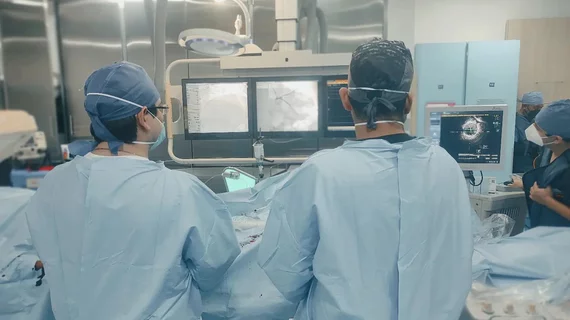
Researchers have shared an updated analysis of the SMART-CHOICE study, focusing on major adverse cardiac and cerebrovascular events—as well as bleeding events—among PCI patients after three years.
Recently a radiomics-based machine learning model proved highly accurate at predicting which patients would develop pancreatic cancer three to 36 months after abdominal CT imaging.
Should patients read their radiology reports ahead of the doctor who ordered the exam? That’s not a new question. It was supposed to have been settled in the affirmative by the 21st Century Cures Act.