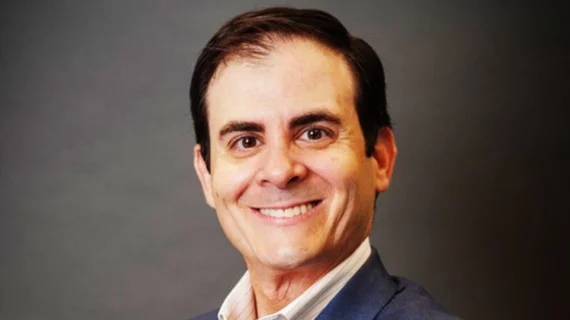
An interventional rad in California is at risk of having his medical license revoked after the state’s medical board discovered he had previously omitted information about his past.
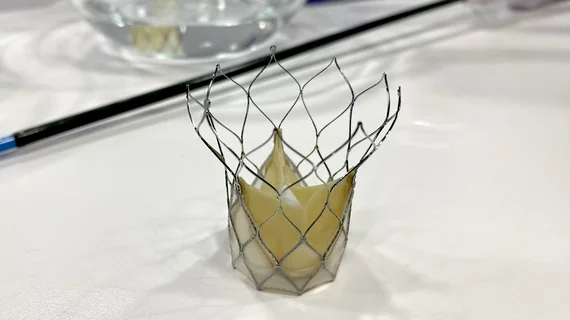
Abbott's Navitor TAVR valve. Image taken during TCT 2023.
The intra-annular, self-expanding Navitor valve gained FDA approval in 2023 for the treatment of high-risk heart patients with severe aortic stenosis. This analysis explores its early impact on patient care.
Sunil Rao, MD, discusses the heart team approach in the context of deciding what is best for the patient between bypass surgery and percutaneous coronary intervention.
Cardiology has been shifting from reactionary treatment strategies to a greater emphasis on prevention. This is an especially important trend in heart failure, which is associated with high costs and rising hospitalization rates.
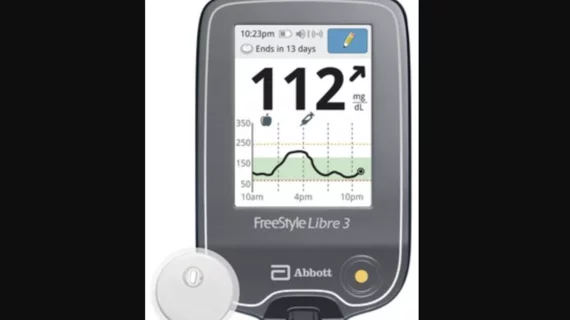
The FDA finalized four Class I recalls related to safety concerns first reported by Abbott in November. Meanwhile, a Florida man who uses these sensors to manage his diabetes has already filed a lawsuit over the issue.
Boston Medical Center has sought to have patients self-identify for lung cancer screening, administering multilingual surveys while they wait for imaging appointments.
President Trump’s outline is largely an exercise in thinking out loud since it can’t propel anything consequential without legislative action in Congress. Still, the plan—and the reactions it’s eliciting—warrant a look.
The insurer is planning to reduce reimbursement timelines for hospitals in Oklahoma, Idaho, Minnesota and Missouri from 30 days to 15. The details are unclear, but the company said the framework could extend nationwide.