Digitized informed patient consent prior to contrast-enhanced CT exams has significant advantages over traditional paper consent forms, but it also has the unfortunate effect of leaving some of the most vulnerable patients behind.
Virtual formats can benefit quality improvement initiatives by enabling leaders across institutions to collaborate on multiple projects while still offering their local teams support.
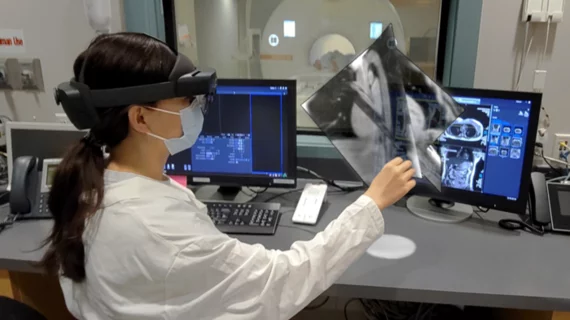
Composite photo courtesy of Case Western Reserve University.
The group—which includes engineers, cardiologist, radiologists and other specialists—will attempt to perform a robotic-controlled left atrial appendage occlusion (LAAO) on a patient inside an MRI scanner.
The oft-belittled dried fruit may punch above its weight when helping postmenopausal women beat back inflammation, according to two new Penn State studies.
Might mammography enhanced by contrast media prove a surer, faster way than other modalities—including digital breast tomosynthesis—to get to a definitive diagnosis for women with dense breast tissue? The American College of Radiology wants to know.
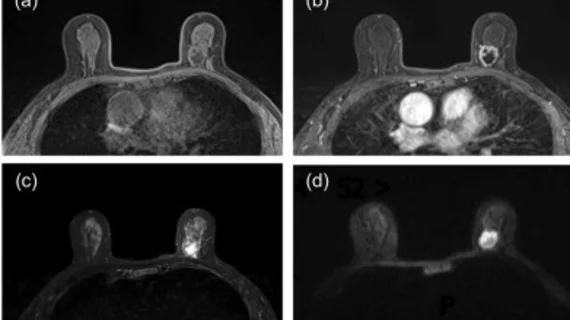
Radiomics methodologies could change how care plans are managed for patients with breast cancer by identifying those most likely to benefit from specific treatments.
“Today’s enforcement actions represent a significant step for the FDA in preventing tobacco product manufacturers from violating the law,” one FDA official said.
Nirmatrelvir-ritonavir, sold by Pfizer under the name Paxlovid, is commonly prescribed to treat COVID-19. When treating some heart patients, however, physicians may want to consider an alternative approach.
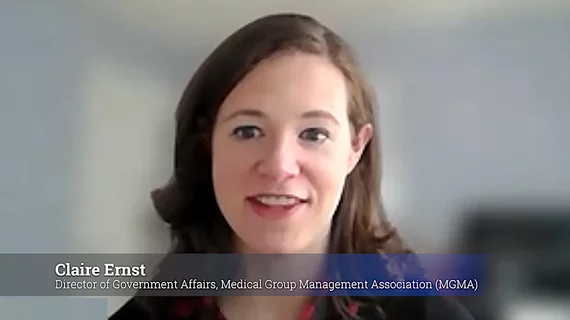
Claire Ernst, director of government affairs for the Medical Group Management Association, talked to us about why extending the federal COVID-19 health emergency was so important for healthcare providers.