Kimberly Beavers, MD, a clinical assistant professor and remote breast radiologist with NYU Langone Health, will serve as inaugural chair of the initiative.
“Optimizing BCS within the LCS population may have the potential to reduce screening disparities and increase early breast cancer detection," researchers write in JACR.
Dharmesh Patel, MD, officially had his criminal case closed on July 6 following completion of a court-ordered, two-year mental health diversion program.
The phenomenon is not unique to healthcare, but researchers have been exploring the prevalence and predictability of these experiences in medical settings.
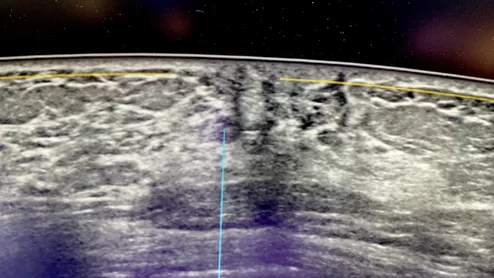
ABUS represents a viable imaging alternative that could compensate for many of the known issues with handheld ultrasound scanners, researchers suggest.
Researchers recently uncovered multiple anatomical variations in the brains of convicted killers that may help explain their lack of empathy, guilt and sensitivity to consequences.
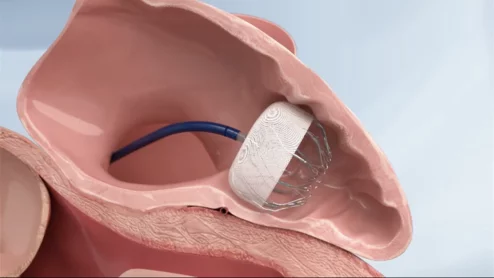
Patients were randomized to undergo treatment with the new-look AnchorMan or the Watchman 2.5. A follow-up study comparing the AnchorMan to the Watchman FLX and FLX Pro devices is already planned.
The Trump administration said the reduction can be attributed to a cleanup of fraud, waste and abuse, but the real reason extends back to enhanced subsidies put in place during the COVID-19 pandemic.
Led by Massachusetts and California, the plaintiffs say CMS ignored the will of Congress by strictly defining a “medically frail” exemption that would allow a person access to safety net medical coverage.
Kimberly Beavers, MD, a clinical assistant professor and remote breast radiologist with NYU Langone Health, will serve as inaugural chair of the initiative.
“Optimizing BCS within the LCS population may have the potential to reduce screening disparities and increase early breast cancer detection," researchers write in JACR.
Dharmesh Patel, MD, officially had his criminal case closed on July 6 following completion of a court-ordered, two-year mental health diversion program.