Targeted interventions could help reduce pre-test anxiety, improve the physical screening experience, and address structural barriers in underserved settings.
Pitting three multipurpose LLMs against two healthcare-specific AI tools, researchers have discovered the consumer-level AI can beat its purpose-built counterparts in healthcare scenarios—and soundly, at that.
Researchers believe the technique also could have utility for brain, head and neck MRI applications and could eventually be adapted to other imaging modalities as well.
“We have colonoscopies, we have mammograms, but we have not had equivalents for most forms of heart disease,” Pierre Elias, MD, Pathway Labs founder and CEO, explained.
“Unlike [prior authorization], this model does not delay patient care and does not hold members liable to pay for unneeded exams,” writes radiologist Mark Hiatt, MD, MBA.
To maximize returns on AI investments, healthcare organizations should align AI initiatives with core competencies. The effort should focus on optimizing experiences for workforces as well as patients.
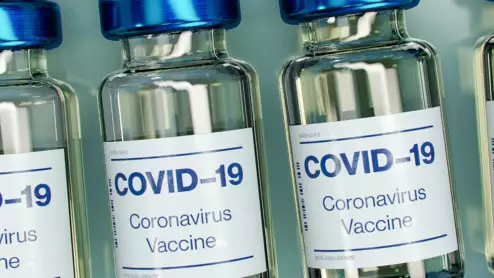
One of the picks for the Advisory Committee on Immunization Practices, Robert Malone, MD, is known for his outspoken criticism of mRNA vaccines, particularly for COVID-19. Malone believes the technology is unsafe and has been accused by public health officials of spreading medical misinformation.
Targeted interventions could help reduce pre-test anxiety, improve the physical screening experience, and address structural barriers in underserved settings.