




As precision cardiology continues to evolve, the integration of advanced coronary computed tomography angiography (CCTA) and AI-driven analysis is fundamentally changing how we assess and manage coronary artery disease (CAD). Here is a closer look at how Heartflow Plaque Staging is leveraging Total Plaque Volume (TPV) to stratify patient risk.
As CCTA and AI-enabled coronary plaque analysis move from “nice to have” to reimbursed standard of care, many programs risk leaving both clinical impact and revenue on the table if they don’t adapt their workflows now.
As healthcare systems and imaging providers accelerate efforts to modernize financial and revenue cycle operations, radiology faces unique challenges. Inpatient and outpatient organizations need a deeper, more analytical understanding of their financial data to navigate growing complexity. Third-party billing and RCM partners can help apply automation to improve cash flow and prior authorizations while reducing denials.
Join two leaders, one from the operations side, one from the platform side, as they walk through the realities of implementing operational AI across imaging center workflows. They’ll share what to look for, which questions to ask before deployment, what’s lived up to the hype, what hasn’t, and the early signs of success they’re tracking across a 60+ location network.
U.S. Radiology departments navigating CT market challenges—supply disruptions and rising demand for contrast and delivery—need reliable partners. Hear Bayer leads explain how Bayer helps provide steady supply and innovations to support CT imaging and patient care.
Listen in now to this webinar that explores the MEDRAD® Centargo CT Injection System, Bayer’s multi-patient injector designed to enhance workflow efficiency in high-throughput CT suites.
Join us for an engaging peer discussion on in-house 3D post-processing. Discover how top programs nationwide are evolving their labs and leveraging advanced visualization software, AI, and automation to enhance efficiency for both physicians and technologists.
Listen in as a general cardiologist, surgeon, and interventionalist delve into the latest evidence—including the Evolut™ TAVR 5-Year Low Risk data and SMART Trial 2-Year update—to guide appropriate treatment decisions for patients with severe symptomatic aortic stenosis.
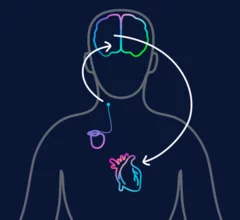
Duke University Health System has integrated Barostim into its comprehensive heart failure program. For patients with heart failure with reduced ejection fraction (HFrEF), Barostim is a device therapy that works with drug therapies to target the neurohormonal pathways responsible for heart failure progression and symptoms. Listen in as an advanced heart failure specialist discusses patient selection and post-implant management, the implant procedure, patient care pathways, and how Duke has incorporated Barostim into their system.
The late-breaking five-year results of the Evolut Low-Risk Trial presented at ACC.25 showed positive results for the Evolut TAVR system when compared to SAVR.
Diagnosing female patients with coronary artery disease (CAD) has many challenges. Join us to hear from three key opinion leaders as they present data and new case studies demonstrating these difficulties, and the guidelines and pathways that help with diagnosis and management of women with suspected CAD.
Most advancements in electrophysiology technology are small and incremental, but the experts at Texas Cardiac Arrhythmia Institute in Austin, TX, were quick to see distinct advantages when they started using the latest iteration of radio frequency ablation, the QDOT MICRO™ Catheter.
Howard Herrmann, MD, MSCAI, Hospital of the University of Pennsylvania, and lead invesigator for the SMART trial, explains details on the 2-year data comparing the Evolut vs. Sapien 3 for TAVR in small annulus patients.