Neuroimaging

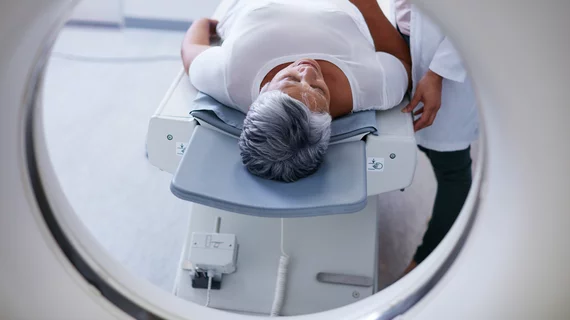
Neuroradiology is a branch of medical imaging focused on spotting abnormalities of the central and peripheral nervous system, spine, head and neck. These highly trained doctors use CT, MRI, X-ray and other techniques to diagnose strokes, tumors, aneurysms and other neurological conditions.


Combining PET and MRI data helps distinguish between LATE and Alzheimer's

Combining PET and MRI data may be key to differentiating new type of dementia

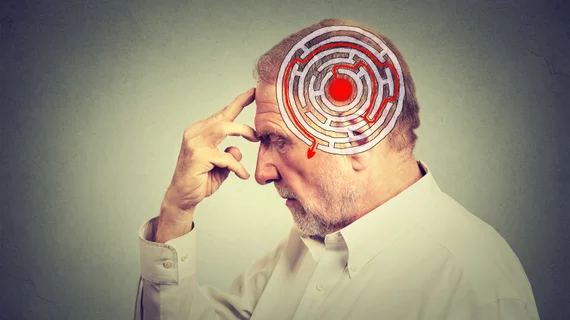
Limbic-predominant age-related TDP-43 encephalopathy, also known as LATE, was recently recognized as a type of dementia that occurs in older adults. It typically presents as memory-related cognitive decline.

Thumbnail

How second pregnancies change the brain

New imaging findings detail how women’s brains change during their second pregnancy, revealing the unique alterations in networks related to attention and response. 

Scientists discover link between Alzheimer's and long COVID on MRI scans

Imaging findings pertaining to the size of and blood flowing to the choroid plexus may be a common denominator between the two conditions.

New AI foundation model offers wide adaptability across neuroradiology

Unlike most AI tools that were built for specific applications like identifying stroke, the foundation model can be used for a wide array of tasks, as it can learn from other AI frameworks. 

artificial intelligence in healthcare

AI accurately reads brain MRIs in seconds

The tool can identify over 50 different neurological conditions with nearly 98% accuracy.

Thumbnail

MRI findings link fat distribution to risk of cognitive decline

Not all fat is created equal, and some specific types carry more neurological consequences than others, according to new research. 

Thumbnail

MRI findings reveal how spaceflight changes the brain

New data suggest that spending an extended period of time in a zero-gravity environment causes the brain to become somewhat displaced.

Thumbnail

Neuroimaging not necessary for all patients who present to ED with vertigo

The decision to utilize such scans is challenging for emergency providers, with the condition most often of benign origin, according to new research published in the journal of Emergency Radiology.