Hypertension

High blood pressure increases a patient's risk of heart attack, stroke and other diseases. Most people with hypertension have no symptoms. The Centers for Disease Control and Prevention (CDC) says nearly half of U.S. adults have hypertension, or high blood pressure, and only about 1 in 4 of those individuals has their hypertension under control. The World Health Organization (WHO) expects the epidemic of hypertension world-wide will exceed 1.56 billion people by 2025. Major efforts are underway to better control this primary risk factor through screenings, medication and invasive procedures such as renal denervation in severely uncontrolled patients.


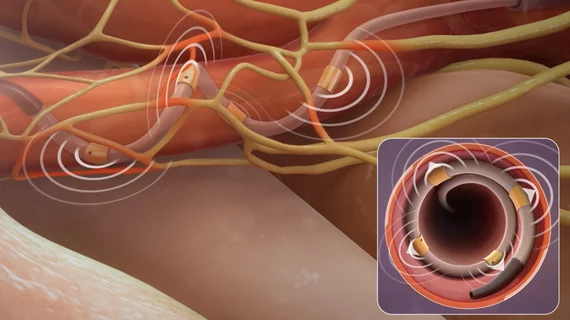
The Medtronic Symplicity Spyral Renal Denervation system uses a catheter that curls in the renal artery to place radiofrequency electrodes against the vessel wall to ablate the nerves that control vasodilation, so the artery can be propped in the fully open position.

Medtronic’s RDN system receives new reimbursement approval

More than 40 million adults now have improved access to Medtronic's Symplicity Spyral renal denervation technology.

Michael Honigberg, MD, MPP, a preventive cardiologist and cardiovascular researcher at Massachusetts General Hospital, explains how preeclampsia and gestational hypertension during pregnancy can elevate cardiovascular risks later in life and how to best manage these patients.

How hypertension during pregnancy impacts a woman's long-term cardiovascular health

Emerging research suggests that the early postpartum period may represent a critical window for influencing a woman's long-term cardiovascular health. 

fasting before tavr or ablation

Tap water in US linked to potential cardiovascular risks

“This is not about alarming people,” one researcher said. “It’s about recognizing an environmental factor that may be contributing to high blood pressure in some communities and making sure it’s part of the public health conversation." 

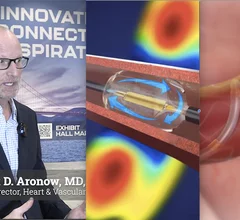
Herbert D. Aronow, MD, MPH, FACC, FSCAI, FSVM, medical director, heart and vascular service line and the Benson Ford Chair in Cardiology at Henry Ford Health, member of board, Society for Cardiovascular Angiography and Interventions (SCAI), the explains how hospitals can set up renal denervation (RDN) programs and how the reimbursement landscape is changing with new Medicare coverage.

How to get reimbursed for renal denervation

Herbert D. Aronow, MD, reviewed the many ways the reimbursement landscape is changing thanks to new Medicare policies. “This is a really exciting time in the renal denervation space," he said. 

heart drugs with stethoscope

Winning cash for taking blood pressure meds increases compliance

About 71% of patients in the rewards group opened their blood pressure medication on 80% of days, compared with about 34% in the control group.

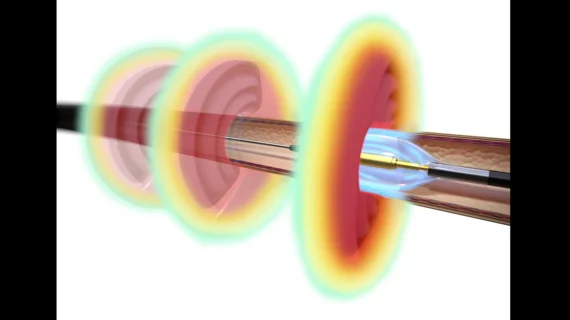
Paradise Ultrasound image courtesy of Recor Medical.

More good news for renal denervation: FDA-approved systems linked to positive long-term data

New data on the RDN systems from Recor Medical and Medtronic confirmed that this relatively new technology brings long-term relief to patients with uncontrolled hypertension. 

Nearly 600K bottles of blood pressure drug recalled due to carcinogen risk

The FDA has detailed three voluntary recalls for prazosin hydrochloride, a medication used to treat hypertension, due to safety concerns.

Recor Medical's Paradise Ultrasound Renal Denervation System

Medicare now covers renal denervation for patients with uncontrolled hypertension

This decision expands access to renal denervation to many more patients throughout the United States. Recor Medical and Medtronic both gained FDA approval for their RDN systems in 2023, and other vendors are actively developing their own treatment options.