Society of Cardiovascular Computed Tomography (SCCT)

The Society of Cardiovascular Computed Tomography (SCCT) focuses on the advancement and expansion of cardiac CT. The society serves a membership split about evenly between radiologists and cardiologists. SCCT hosts educational events, advocates for CCTA for reimbursement and helps set guidelines for cardiac imaging. The news, videos and content on this page are created by our Innovate Healthcare editorial team and focus on the clinical, operational and financial aspects of cardiac CT.

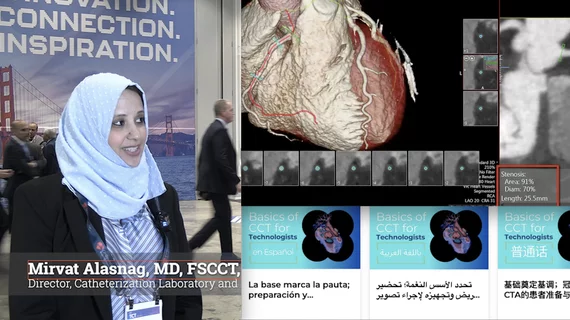
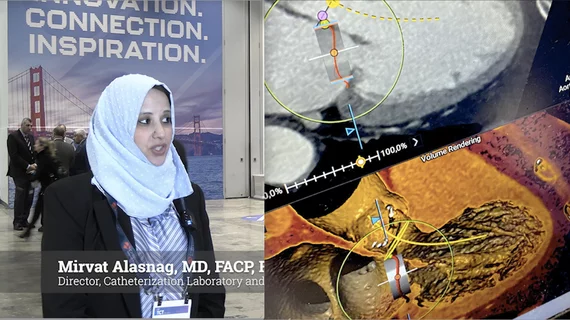
Mirvat Alasnag, MD, FACP, FACC, FSCAI, FSCCT, director of catheterization laboratory and research, King Fahd Armed Forces Hospital, Jeddah-Saudi Arabia, Ditrector of TCT Middle East, and member of Society of Cardiovascular CT (SCCT) Education Committee, explains how the society it translating its educational content into other languages to help a wider international audience of clinicians. SCCT is working to expand its international membership and this is a big part of that strategy.

SCCT expands CCTA education overseas

SCCT has made it a priority to help clinicians from all over the world learn more about CCTA as the modality continues to transform patient care. 

RSNA seeking new editor for cardiothoracic imaging journal

RSNA is looking for a replacement for Suhny Abbara, MD, who is now the editor-in-chief of its flagship journal.

Mirvat Alasnag, MD, FACP, FACC, FSCAI, FSCCT, director of catheterization laboratory and research, King Fahd Armed Forces Hospital, Jeddah-Saudi Arabia, director of TCT Middle East, and member of Society of Cardiovascular CT (SCCT) Education Committee, outlines why coronary CT angiography (CCTA) imaging will likely be a paradigm shift in cardiology, and where the gaps remain to gather more clinical evidence.

CCTA continues to transform cardiac imaging, interventional cardiology

Mirvat Alasnag, MD, spoke to Cardiovascular Business about CCTA's growing influence in cardiology. 

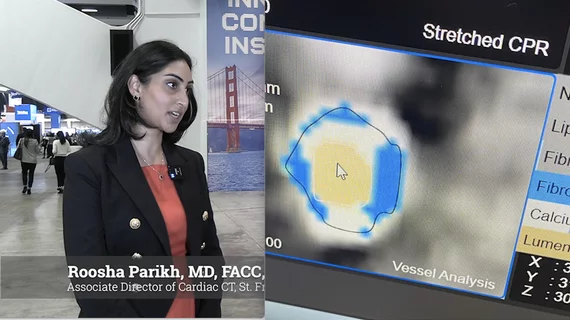
The Society of Cardiovascular Computed Tomography (SCCT) is seeing major progress in its long-running push to secure broad reimbursement for artificial intelligence (AI)-enabled coronary CT angiography (CCTA) plaque analysis. According to Roosha Parikh, MD, FACC, FSCCT, associate director of Cardiac CT at St. Francis Heart Hospital, Long Island, New York, and a member of the SCCT Health Policy and Practice Committee, both Medicare and a growing number of private insurers are now covering the technology.

Reimbursement for AI-based plaque assessments is improving

A growing number of private insurers are now covering these advanced technologies. Roosha Parikh, MD, told Cardiovascular Business that the hard work of SCCT and other groups has helped make this happen. 

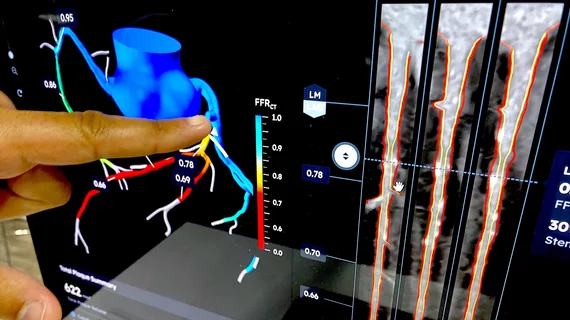
New data highlight how Heartflow's AI software drives major shifts in heart care

One of the study's most significant findings was that patients managed using the advanced AI software saw LDL cholesterol drops of 18.7 mg/dL, with a 15% reduction in their risk of a cardiac event. Even patients with no calcified plaque saw significant changes in care management.

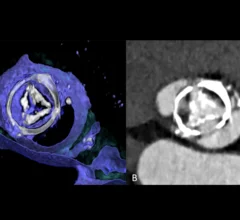
CT imaging showing structural valve deterioration

Cardiologists, radiologists and surgeons share ‘landmark’ document on assessing prosthetic heart valves with CT

RSNA and several other industry societies have shared a new expert consensus document on the significant value of cardiac CT. Echo remains an effective first-line imaging option, the groups wrote, but CT can make a big impact as well. 

collet_and_colleagues_perform_ct-guided_pci.png

‘A defining moment’: How cardiologists can get the most out of CT-guided PCI

SCAI and SCCT have collaborated on a new document designed to get more interventional cardiologists to embrace CT-guided PCI going forward. 

congress money legislation lawmaker bill senate house senator representative

Cardiology groups urge Congress to ‘take a stand’ after spending proposal fails to fix Medicare cuts

A new spending proposal that would extend government funding for another seven months does not address the Medicare payment cut that went into effect on Jan. 1. More than 100 healthcare groups, including the ACC, STS, SCCT and SCAI, are now voicing their disappointment.