COVID-19

Outside of the loss of human life due to the COVID-19 pandemic, the past two years have greatly affected hospitals, health systems and the way providers deliver care. Healthcare executives are grappling with federal monetary assistance, growing burnout rates, workforce shortages and federal oversight of vaccines and testing. This channel is also designed to update clinicians on new research and guidelines regarding COVID patient treatment strategies and risk assessments.

new food pyramid

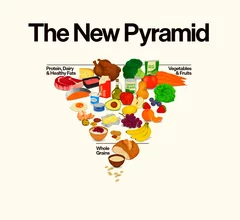
New food pyramid cheered and contested, doctors vs. gun harms & other high-level briefings

Keto-diet champions will like the new food pyramid’s emphasis on proteins, including those high in saturated fats. Not everyone shares their predisposition. 

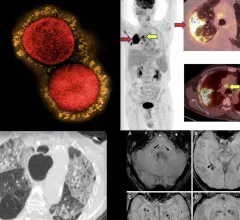
Chest radiograph in a 53-year-old woman with confirmed coronavirus disease 2019, or COVID-19, pneumonia. The patient had fever and cough for 5 days. Multifocal patchy opacities (arrows) can be seen in both lungs. Image courtesy of RSNA. What COVID looks like ob CT medical imaging.

Current imaging AI systems can be repurposed to address future pandemics, study asserts

Experts say these new findings represent “a significant advancement in the field of radiology."

Is RFK Jr. really conducting an ‘assault on vaccines’? And more high-level news notes

The CDC has gone ahead and changed its recommendations for childhood immunizations. The gnashing of teeth has only just begun. 

Artificial Intelligence AI in healthcare

MRI data suggest COVID likely affects the neurological health of everyone, even those who fully recover

Even if an individual has fully recovered from COVID-19 and is able to return to their normal routines, the structural and chemical makeup of their brain may not return to its pre-COVID state.

COVID vaccination updated XBB JN1

FDA to add ‘black box’ warning to COVID vaccines, report says

The label is the most serious warning the agency can place on pharmaceuticals, denoting substances that carry serious health risks that must be weighed against benefits. CNN was the first to report the news, citing two sources familiar with the matter. 

CDC: Pediatric COVID vaccines reduce ER trips by 76%

In a new data analysis from nine states, the Centers for Disease Control and Prevention found that the protective effect tapers off as juveniles age, with 5-17 year olds seeing fewer trips to urgent care or the emergency room at a rate of 56%. Overall, the agency said evidence shows that COVID-19 vaccines are still effective.

Thumbnail

Medicare data reveal ‘highly concerning’ TAVR trends—are hospital rankings to blame?

Hospitals could be turning away high-risk heart patients to help their TAVR programs receive a higher ranking, according to new research published in JACC: Cardiovascular Interventions

phenylephrine FDA

COVID-19, other infections linked to major cardiovascular risks—researchers push for vaccination

Adults are three times as likely to have a heart attack or stroke after a COVID-19 infection than when they are healthy. The risks are even greater for the flu.