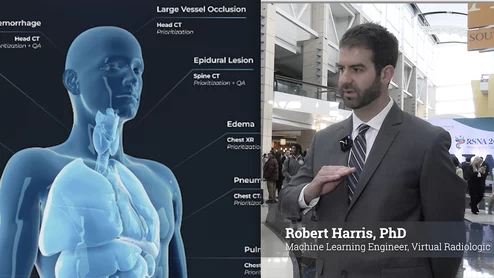
While the technology remains investigational in many practices, researchers say it has the potential to improve diagnostic accuracy, streamline AI development and strengthen radiology quality assurance.
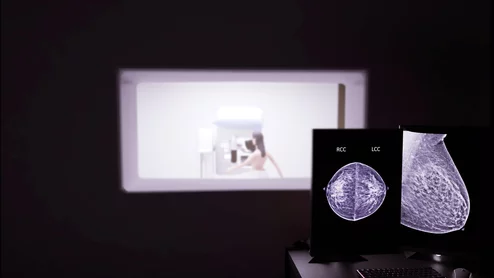
Radiologist Henry C. Lusane, MD, with Acumen Medical Imaging, interpreted the scans, reporting the mass as benign, a mistake later leading to a terminal cancer diagnosis.
The Women’s Center for Radiology, which was acquired by Solis Mammography in January, hired a cybersecurity firm to help investigate the scope of the matter.
Most medical societies urge their clinical-guidance developers to include cost data alongside care recommendations. Yet less than a quarter of published advisements—22.5%—contain evidence-based discussions on economic considerations or resource consumption.
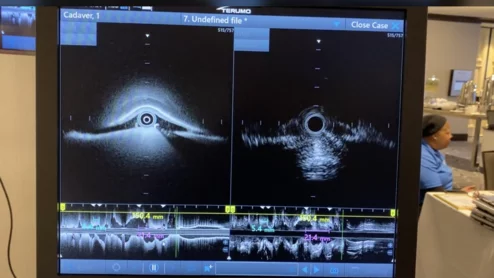
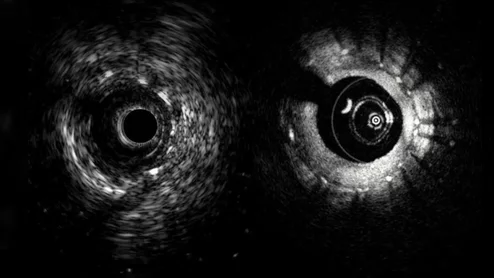
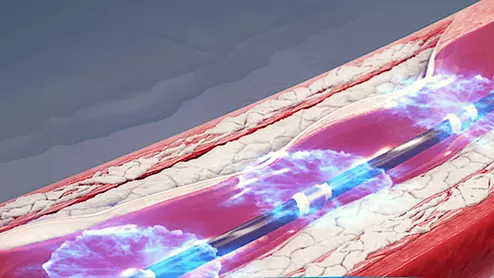
Researchers tracked data from nearly 400 women with complex CAD who underwent treatment with Shockwave Medical's intravascular lithotripsy technology prior to PCI.
John Simon, MD, is a big advocate for these elective exams, but the American College of Radiology and some members of the specialty oppose this practice.