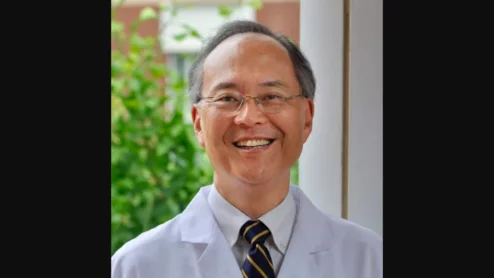
“Dr. Matsumoto is a trusted physician leader with a long record of service to the college and a clear commitment to quality, safety and patient-centered care,” ACR CEO Dana H. Smetherman, MD, said May 4.
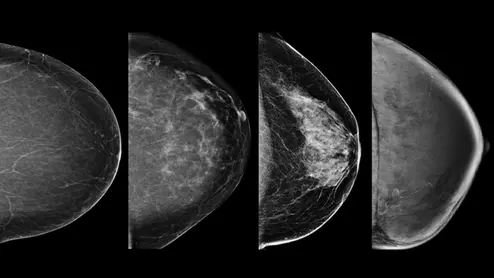
New findings support the routine use of deep learning-based risk assessments, as this method can decrease subjectivity, reduce unnecessary imaging and improve diagnostic accuracy.
Becoming a father seems to make a man less likely to die young. What’s more, when a father passes away within the first five years of his child’s life, the cause is usually non-natural and thus preventable.
Rad Partners said the addition will help support the company's long-term focus on "physician-led excellence, clinical and technology innovation, and high-quality radiology services at scale."
The American Hospital Association is working with the West Health Institute throughout the duration of the program, which will give health systems access to a digital platform packed full of resources to support technology upgrades.
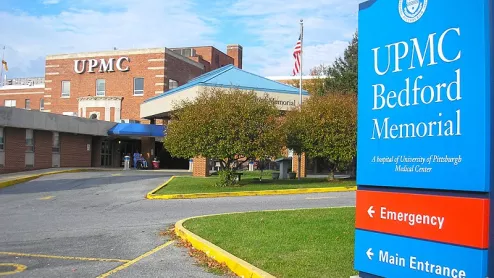
University of Pittsburgh Medical Center said the deal is expected to be finalized in Fall 2026. The move would expand its presence into Ohio. Details, such as the financial terms, have yet to be revealed.
Last month the Department of Health and Human Services asked hospital dieticians to take an eight-point pledge on inpatient nutrition. This week detractors are firing back at this latest slice of the RFK Jr.-led MAHA agenda.
Tennr uses an “enterprise orchestration engine” and series of specialized language models, trained on the nuances of processing documentation against payer criteria.
The American College of Emergency Physicians contends the law change would restore physicians’ freedom to choose where they practice and protect their clinical autonomy.
A report from the Guardian details how the VA removed language protecting patients from discrimination based on political affiliation and lifestyle. The department denies that there has been any actual change in policy.
Nonprofit Ascension Health announced its purchase of Amsurg, adding 250 outpatient surgery centers to its expanding portfolio. The Catholic-based hospital group said the move will allow it to focus more on community-based care by keeping more patient referrals in-house.
“Dr. Matsumoto is a trusted physician leader with a long record of service to the college and a clear commitment to quality, safety and patient-centered care,” ACR CEO Dana H. Smetherman, MD, said May 4.
New findings support the routine use of deep learning-based risk assessments, as this method can decrease subjectivity, reduce unnecessary imaging and improve diagnostic accuracy.