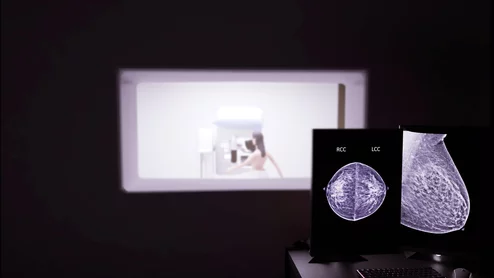
Radiologist Henry C. Lusane, MD, with Acumen Medical Imaging, interpreted the scans, reporting the mass as benign, a mistake later leading to a terminal cancer diagnosis.
The Women’s Center for Radiology, which was acquired by Solis Mammography in January, hired a cybersecurity firm to help investigate the scope of the matter.
Most medical societies urge their clinical-guidance developers to include cost data alongside care recommendations. Yet less than a quarter of published advisements—22.5%—contain evidence-based discussions on economic considerations or resource consumption.
The health network, which operates 37 hospitals in California, drastically reduced scheduling delays after integrating an FDA-cleared algorithm designed to speed up imaging acquisition times.
A report from Trilliant Health looking at payer data found that, as prescriptions for the popular weight loss drugs spike, so rises the number of approved benefits.
Fears about the risk of sudden cardiac arrest are being used to order unnecessary electrocardiogram and echocardiograms for young athletes, according to a new warning from multiple federal agencies.
Anders Gilberg, senior vice president of government affairs at the Medical Group Management Association, explains why Congress needs to renew the Medicare geographic pay adjustments in rural areas—to make payments competitive with urban areas and help retain physicians in those communities.
Addressing these inappropriate imaging referrals is necessary to reduce healthcare costs, radiation exposure and pollution, experts write in Insights into Imaging.
Radiologist Henry C. Lusane, MD, with Acumen Medical Imaging, interpreted the scans, reporting the mass as benign, a mistake later leading to a terminal cancer diagnosis.
The Women’s Center for Radiology, which was acquired by Solis Mammography in January, hired a cybersecurity firm to help investigate the scope of the matter.
Most medical societies urge their clinical-guidance developers to include cost data alongside care recommendations. Yet less than a quarter of published advisements—22.5%—contain evidence-based discussions on economic considerations or resource consumption.