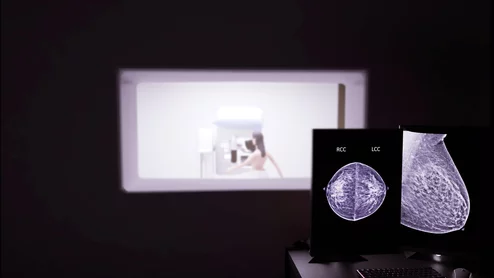
Radiologist Henry C. Lusane, MD, with Acumen Medical Imaging, interpreted the scans, reporting the mass as benign, a mistake later leading to a terminal cancer diagnosis.
The Women’s Center for Radiology, which was acquired by Solis Mammography in January, hired a cybersecurity firm to help investigate the scope of the matter.
Most medical societies urge their clinical-guidance developers to include cost data alongside care recommendations. Yet less than a quarter of published advisements—22.5%—contain evidence-based discussions on economic considerations or resource consumption.
The health network, which operates 37 hospitals in California, drastically reduced scheduling delays after integrating an FDA-cleared algorithm designed to speed up imaging acquisition times.
A report from Trilliant Health looking at payer data found that, as prescriptions for the popular weight loss drugs spike, so rises the number of approved benefits.
Fears about the risk of sudden cardiac arrest are being used to order unnecessary electrocardiogram and echocardiograms for young athletes, according to a new warning from multiple federal agencies.
A new report reveals that states are keeping databases on “imposter nurses” to slow what could be a growing trend of unlicensed individuals holding nursing positions at hospitals nationwide.
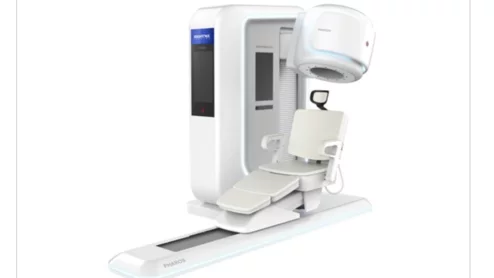
The system was built with patients in mind, and its compact design has the potential to expand access to the modality where it may have previously been lacking.
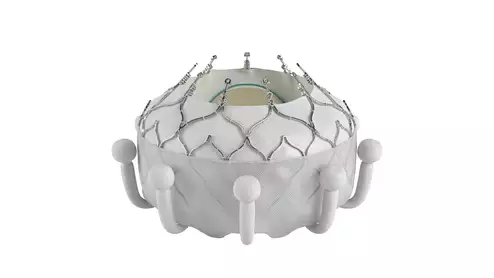
Though just a small, single-facility study, these findings help care teams know what to look for when performing transcatheter tricuspid valve replacement.
Radiologist Henry C. Lusane, MD, with Acumen Medical Imaging, interpreted the scans, reporting the mass as benign, a mistake later leading to a terminal cancer diagnosis.
The Women’s Center for Radiology, which was acquired by Solis Mammography in January, hired a cybersecurity firm to help investigate the scope of the matter.
Most medical societies urge their clinical-guidance developers to include cost data alongside care recommendations. Yet less than a quarter of published advisements—22.5%—contain evidence-based discussions on economic considerations or resource consumption.