News

Adam Greenbaum, MD, presents late-breaking data at ACC.26.

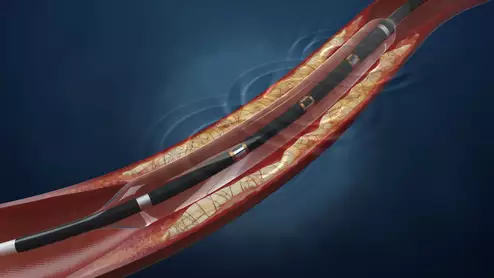
A new embolic protection device from Emboline was noninferior to the FDA-approved Sentinel device in terms of safety and efficacy. In addition, it captured much more TAVR-generated debris and was linked to an improved technical success rate. 

AI model algorithm tablet digital patient data

The advanced algorithm, which previously received the FDA's breakthrough device designation, detects signs of pulmonary hypertension in standard 12-lead electrocardiograms.

artificial intelligence AI predictive analytics

“The creation of an associate dean in AI speaks to the fact that AI has become central to research, education and clinical operations in the health care system."

Statue of Liberty New York City healthcare

In a complaint filed in federal court, the U.S. Department of Justice claims NewYork-Presbyterian Hospital uses its power of “scale, breadth and configuration” to control payer contracts, making it difficult for insurers to develop low-cost plans. The health system denies any wrongdoing.

Medical malpractice gavel diagnostic error mistake stethoscope

The disturbing case highlights a series of process errors and cost-cutting measures that ultimately led to the “never event” accident. 

Divaka Perera, MD, at ACC.26

The second day of the American College of Cardiology’s annual conference started with a series of highly anticipated interventional cardiology trials.

 Stavros V. Konstantinides, MD, PhD, presenting data at ACC.26

New 30-day data presented at ACC.26 helped answer questions cardiologists have had been asking for years. “Thank you for bringing PE into the future," one vascular specialist said from the stage.  

voice audio recording smartphone

An advanced algorithm that looks for signs of heart failure in five-second voice recordings has received the FDA's breakthrough device designation.

heart doctor cardiologist

Tenaya Therapeutics and Alnylam Pharmaceuticals have agreed to collaborate on identifying potential new gene therapies for the treatment of cardiovascular disease. Tenaya will receive an upfront payment of $10 million, but stands to earn much more.

Ligence Heart is a recently FDA cleared AI that fully automates analyses, measurements and reporting for transthoracic echo.

Cardiology is No. 2 behind radiology when it comes to FDA-cleared AI algorithms. Neurology, meanwhile, is a distant No. 3. 

Philips has secured U.S. Food and Drug Administration (FDA) clearance for SmartHeart, the company’s new artificial intelligence (AI)-powered planning technology for cardiac MR (CMR) exams.

The new SmartHeart technology automates 14 cardiac views in less than 30 seconds. It was designed to increase productivity and bring more consistency to cardiology and radiology departments.

FDA issues recall of imaging systems

Back in February, the FDA expanded a recall of several reprocessed EP and ultrasound catheters due to a risk of contamination. The agency is now sharing additional information with the public.

Around the web

A new embolic protection device from Emboline was noninferior to the FDA-approved Sentinel device in terms of safety and efficacy. In addition, it captured much more TAVR-generated debris and was linked to an improved technical success rate.