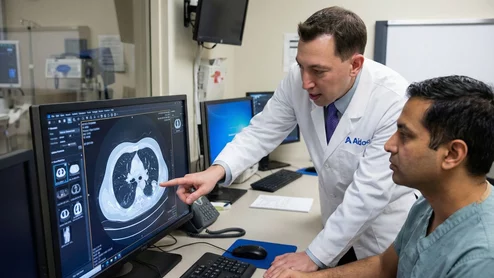
Carotid artery disease causes up to 30% of all strokes, but severely calcified lesions can make treatment quite complex. The hope is that IVL can be as successful in this area as it has been in the treatment of coronary and peripheral artery disease.
Targeted interventions could help reduce pre-test anxiety, improve the physical screening experience, and address structural barriers in underserved settings.
Florida-based Cardiovascular Associates of America, one of the largest private equity-backed cardiology management groups in the United States, just got a little bigger.
AccurECG 2.0 was designed to interpret a total of 13 different rhythm classifications, including atrial fibrillation, atrial flutter and ventricular tachycardia.
The top 25% of busiest radiologists have read about 31% more studies since 2018 and work nearly 20% more clinical shifts per quarter, compared to seven years ago.
A practicing anesthesiologist and clinical informaticist, Jesse M. Ehrenfeld, MD, MPH, will aid hospital systems in adopting AI tools from the New York-based technology firm.
Carotid artery disease causes up to 30% of all strokes, but severely calcified lesions can make treatment quite complex. The hope is that IVL can be as successful in this area as it has been in the treatment of coronary and peripheral artery disease.



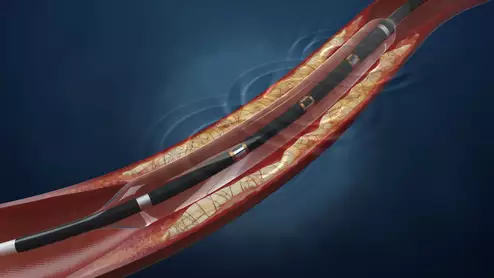
![Performing transcatheter aortic valve replacement (TAVR) with the J-Valve transcatheter heart valve (THV) may help limit the risk of coronary artery obstruction (CAO) in high-risk patients, according to a new study published in Clinical Interventions in Aging.[1]](/sites/default/files/styles/stack_views/public/2024-10/screenshot_2024-10-01_at_2.16.21_pm.png.webp?itok=qOxNPyOr)