Targeted interventions could help reduce pre-test anxiety, improve the physical screening experience, and address structural barriers in underserved settings.
Pitting three multipurpose LLMs against two healthcare-specific AI tools, researchers have discovered the consumer-level AI can beat its purpose-built counterparts in healthcare scenarios—and soundly, at that.
Researchers believe the technique also could have utility for brain, head and neck MRI applications and could eventually be adapted to other imaging modalities as well.
“We have colonoscopies, we have mammograms, but we have not had equivalents for most forms of heart disease,” Pierre Elias, MD, Pathway Labs founder and CEO, explained.
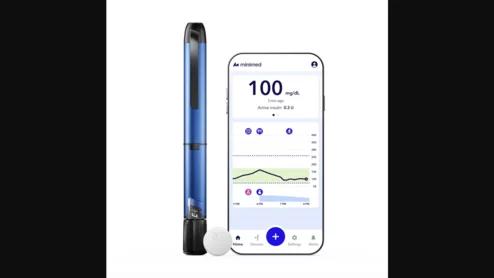
Medtronic's MiniMed Go technology was designed to deliver real-time health data and recommendations to patients with type 1 and type 2 diabetes. It works with the Instinct sensors designed by Abbott.
Over the first two years of implementation, about 7.5 million Medicaid enrollees eligible for cancer screenings will lose coverage, researchers estimate.
Chattanooga-based Tennessee Interventional and Imaging Associates has pushed the country’s largest commercial payer to up its rates to match other larger communities such as Memphis and Nashville.
Targeted interventions could help reduce pre-test anxiety, improve the physical screening experience, and address structural barriers in underserved settings.