It will include both in-person observational rotations and virtual learning sessions, giving students an opportunity to experience the full patient care cycle, from consultation to follow-up.
The U.S. owns the lead in the critical categories of scientific quality and commercial know-how. However, Chinese development is faster, bigger and cheaper—and gaining on us. Which nation will ultimately prevail?
Any lingering fears about patients using online portals to get bonus medical attention for free should be largely quieted, albeit not completely silenced, by a new study conducted at New York University.
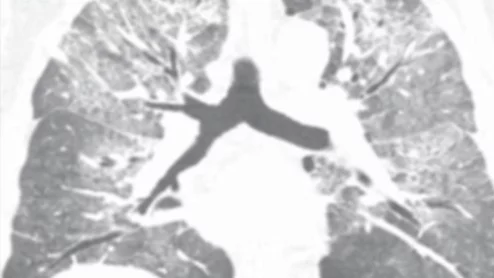
Two months after a cluster of cases occurred on a cruise ship, experts are offering insight into how radiologists can help spot the "silent" signs of the deadly virus on imaging.
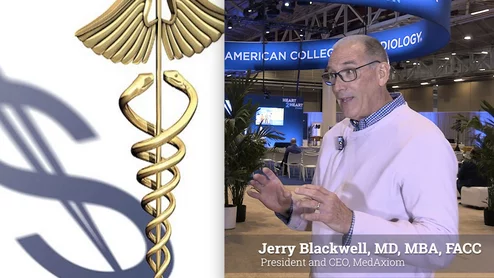
Medaxiom CEO Jerry Blackwell, MD, MBA, FACC, discusses investor's interest in buying cardiology practices, noting that PE ownership remains relatively low.
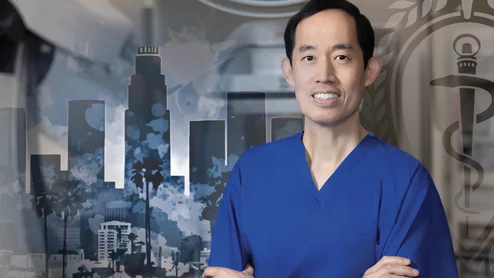
Chair of the department of cardiothoracic surgery at Stanford University School of Medicine, and associate director of the Stanford Cardiovascular Institute, is the new 2026-27 president of the AATS.
Just because a healthcare AI product gets loudly promoted doesn’t mean its claims are bogus. The salient question is whether or not it performs as well in a clinical setting as it did in a research lab—or in a marketer’s mind.
The Missouri complaint mirrors those brought by the Federal Trade Commission, the state of Texas and Philadelphia-based Jefferson Health, among others, in that it’s focused on alleged collusion between pharmacy benefit managers and drug companies to control the price of insulin.
It will include both in-person observational rotations and virtual learning sessions, giving students an opportunity to experience the full patient care cycle, from consultation to follow-up.
The U.S. owns the lead in the critical categories of scientific quality and commercial know-how. However, Chinese development is faster, bigger and cheaper—and gaining on us. Which nation will ultimately prevail?
Any lingering fears about patients using online portals to get bonus medical attention for free should be largely quieted, albeit not completely silenced, by a new study conducted at New York University.