Conventional wisdom holds that social standing and economic stability tend to manifest as long life, good health and optimal wellbeing. In the U.S., the subpopulation holding the most such power and footing is White men. So: What has happened to this demographic?
Stroke is still a leading cause of death all over the world. A new AI model showed early potential to anticipate such adverse outcomes up to a decade in advance, ensuring high-risk patients receive the care they need.
The Shockwave C2 Aero Coronary IVL Catheter is based on years of user feedback. For example, it was built with improved deliverability and repositioning capabilities in mind.
Up to 30% of U.S. patients carry genetic variations that reduce the effectiveness of clopidogrel, an antiplatelet medication sold under the brand name Plavix.
When CMS finalized coverage for cardiac ablations performed in ASCs, experts from HRS and ACC published recommendations for performing those procedures safely and effectively. One of the cardiologists behind that guidance shared some important takeaways with Cardiovascular Business.
Follow-up care after a successful heart transplant can be challenging—both for providers and their patients. Consider, for example, the fact that so many patients who develop complications never actually present with symptoms.
Tim Szczykutowicz, PhD, associate professor radiology, University of Wisconsin Madison, explains the new technology developments in GE HealthCare's FDA 510(k)-pending photon-counting CT scanner.
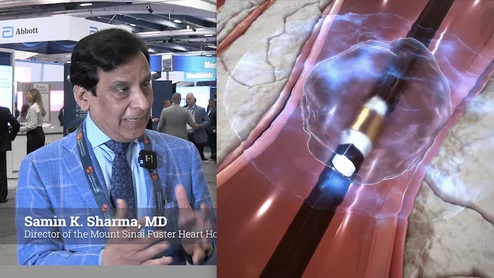
Intravascular lithotripsy is expected to see even wider adoption when lower-profile catheters are introduced and device costs start to drop, explained Samin Sharma, MD.
Conventional wisdom holds that social standing and economic stability tend to manifest as long life, good health and optimal wellbeing. In the U.S., the subpopulation holding the most such power and footing is White men. So: What has happened to this demographic?
Stroke is still a leading cause of death all over the world. A new AI model showed early potential to anticipate such adverse outcomes up to a decade in advance, ensuring high-risk patients receive the care they need.