Follow-up care after a successful heart transplant can be challenging—both for providers and their patients. Consider, for example, the fact that so many patients who develop complications never actually present with symptoms.
“Radiologists are well-positioned to contribute evidence-based guidance, promote transparency, and help patients make informed decisions," experts write in Clinical Imaging.
Vanderbilt experts have developed an assessment called MyProstateScore 2.0, which they say performs better than regular PSA-based testing and MRI for monitoring low-risk disease.
Private-equity acquisitions of primary-care provider practices neither alter hospitalization rates nor affect acute-care outcomes, according to new research out of Brown University.
Epic makes the list with its enterprise inpatient EHR and related platforms. So does PCC, aka Physician’s Computer Company, which supplies pediatric-specific ambulatory EHR and practice-management products and services.
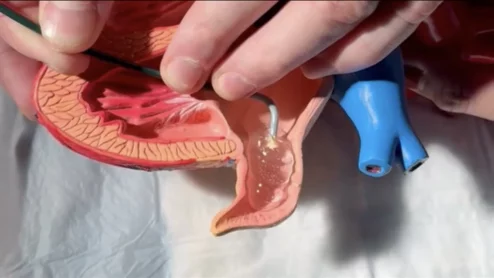
After years of implanting and studying LAAO devices, an interventional cardiologist with the University of Chicago has designed a new alternative that could reduce the risk of bleeding and save health systems money.
Funds will be directed toward the development of new point-of-care tools that reduce the reliance on operator experience, improve reproducibility and increase diagnostic speed.
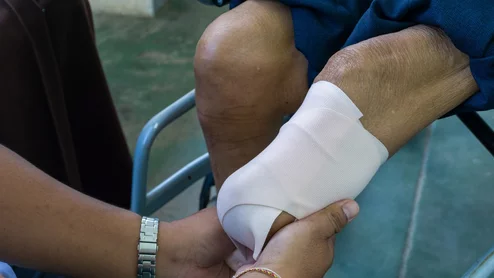
Patients undergoing the procedures due to infection, chronic limb-threatening ischemia and other serious complications may not be receiving the follow-up care their need.
Follow-up care after a successful heart transplant can be challenging—both for providers and their patients. Consider, for example, the fact that so many patients who develop complications never actually present with symptoms.
“Radiologists are well-positioned to contribute evidence-based guidance, promote transparency, and help patients make informed decisions," experts write in Clinical Imaging.