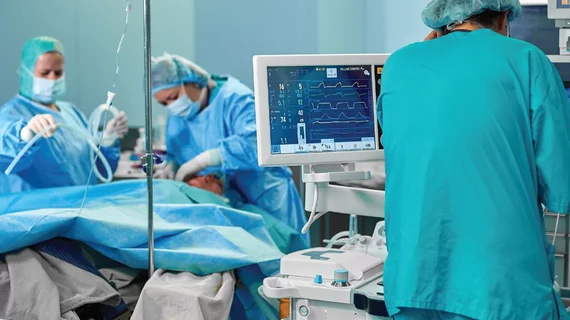
This continues a steady rise in pay for the specialty—the same report recorded cardiology’s average salary as $430,000 in 2019, $423,000 in 2018 and $410,000 in 2017.
“RP One,” as the effort is called, is doling out grants to team members who are “experiencing significant financial hardship because of the COVID crisis.”
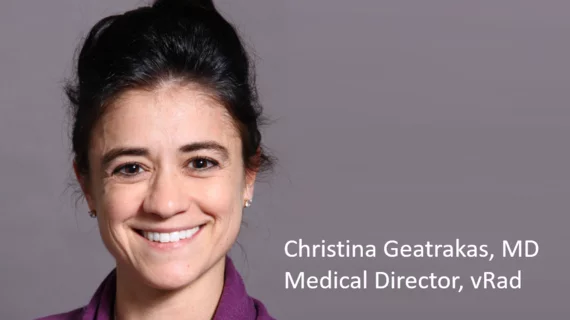
Fresh off an investment infusion of $25 million, a tech startup has launched an ambitious virtual consortium to seek “breakthrough medical discoveries and actionable findings” for the global battle against COVID-19.
Cardiovascular disease (CVD) age-adjusted mortality rates (AAMRs) were higher in rural areas than larger metropolitan areas from 1999 to 2017, according to new research published in JAMA.
Since the beginning of the COVID-19 pandemic, hospitals have reported that stroke and heart attack patients are staying home instead of seeking the medical attention they need. Medical societies have warned against such actions, highlighting the importance of seeking treatment, yet the trend continues throughout the United States.
A majority of research has been focused on subspecialists, but generalists are key to facilitating patient access to a number of radiology subspecialities.
The University of Pennsylvania is teaming with Intel to lead a federation of more than two dozen medical and research centers on an AI system for identifying brain tumors.
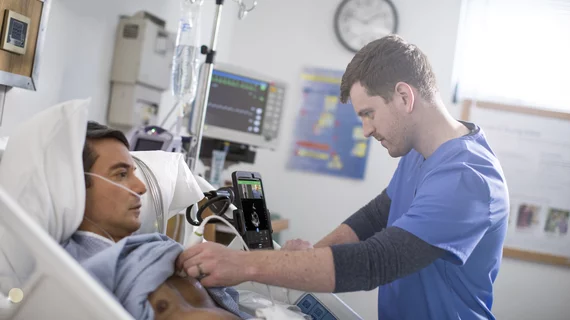
The Amsterdam-based company noted that this modality has become a useful tool for providers battling the pandemic, given its portability and easy-to-clean surfaces.
Heart transplant (HT) recipients have an increased risk of experiencing severe complications if infected with COVID-19, according to new findings published in JAMA Cardiology.