Researchers tracked data related to more than 178 million U.S. residents. Their findings could help with the development of public policies going forward.
The $750,000 in funding will be used to establish a new educational institution, part of the organization's Global Learning Centers program launched last year.
Industry advocates such as RSNA and the American College of Radiology are concerned about recent reports of consumers putting off imaging amid fears of contracting COVID-19.
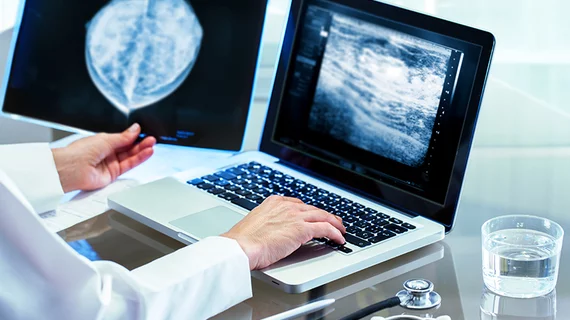
The FDA has OK’d the sixth medical AI application developed by Israel-based Zebra Medical Vision. The latest iteration helps breast-specialized radiologists by flagging questionable lesions appearing in 2D mammograms.
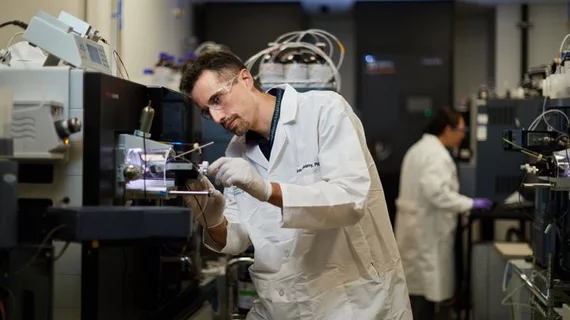
Nicolas Barthelemy, PhD, an instructor in neurology at Washington University School of Medicine in St. Louis, loads a sample into a mass spectrometer. Photo credit: Matt Miller
The findings will also propel research studies into new treatments and help diagnose patients with dementia.
3D mammography did not bolster cancer detection or reduce recall visits in the 10% of women considered to have "extremely dense" breasts, radiologists explained in JAMA Network Open.
Consolidation has been a major theme for healthcare providers in recent years, with larger practices continuing to thrive compared to their smaller counterparts. But what about cardiology specifically?