Doing what you love: Why residents and fellows are considering careers in teleradiology

Dr Garcia

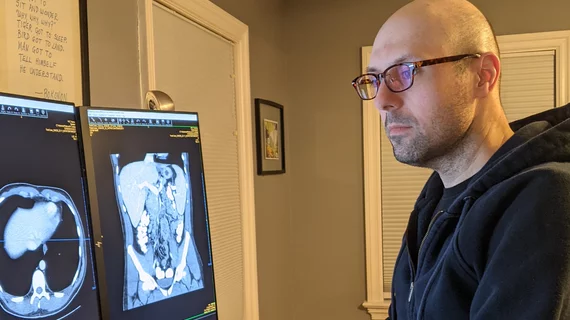
When Christopher Garcia, MD, MHS, completed his post-residency fellowship in 2015, he was looking forward to kickstarting his career in radiology. As he considered the variety of job opportunities before him—joining a private practice, working at a hospital—one option made more sense than any others: reading remotely from ­­­­the comfort of his Connecticut home as a teleradiologist.  

As telehealth takes center stage, providers address a growing list of challenges with teleradiology

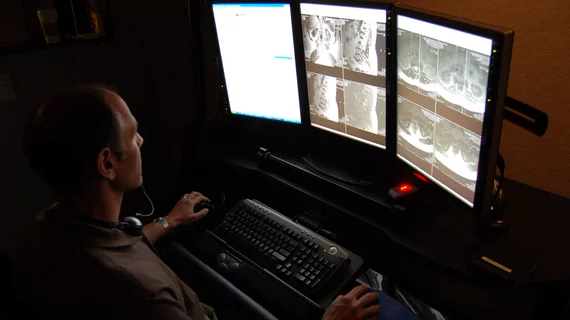
vRad MIR Image December

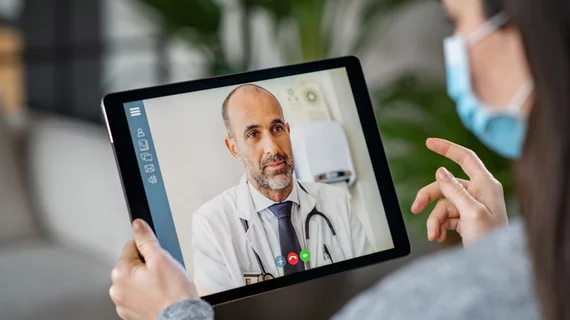
The COVID crisis has showcased for a worldwide audience telehealth’s potential for bringing top-notch medical care wherever it’s needed. Safety-minded Americans have registered their approval by voting with their screens: The CDC reported a 154% jump in telehealth visits during the last week of March 2020 vs. the same week in 2019.

Q&A: vRad’s CIO on AI beyond worklist prioritization, new solutions for radiologists, COVID-19 and more

Imad B. Nijim

Imad Nijim

As 2020 comes to a close, radiologists find their profession at a major crossroads. AI and other game-changing technologies are rapidly evolving, government policies are forcing practices to rethink their business models, and a once-in-a-lifetime pandemic continues to cause chaos for the entire healthcare industry. 

How CMS Grants New Technology Add-On Payments and Determines Substantial Similarity

Brain Scan

New Technology Add-On Payments (NTAP) are a class of reimbursement that are meant to help pay for new technology that is not included in the DRG bundled payment. Specifically, NTAP recognizes that current DRG payment rates can be a barrier to adopting new technology and represents an additional payment for hospital stays that use new technology determined by CMS to provide substantial clinical improvement and where the current DRG payment would be inadequate.