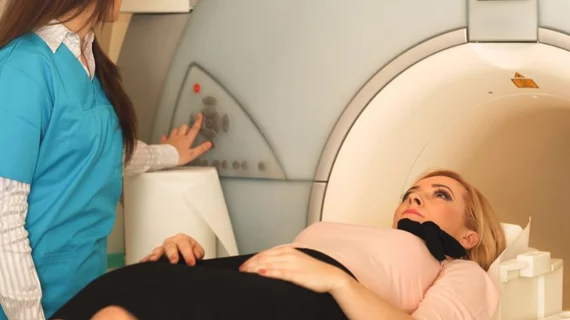
AI can safely and accurately identify healthy breast tissue on ultrafast breast MRI, negating the need for a radiologist’s closer look and, in the process, lowering cancer screening costs and widening patient access to breast MRI.
The work of a chemistry professor at the University of Wisconsin-Milwaukee is helping to blaze the trail of reducing the United States’ dependence on foreign countries for vital medical isotopes.
Canada has fallen behind other industrialized nations in multiple measures of capital healthcare investment, and the most glaring gap is found in the state of its medical imaging equipment.
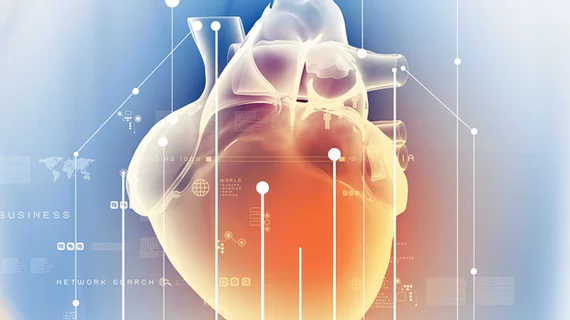
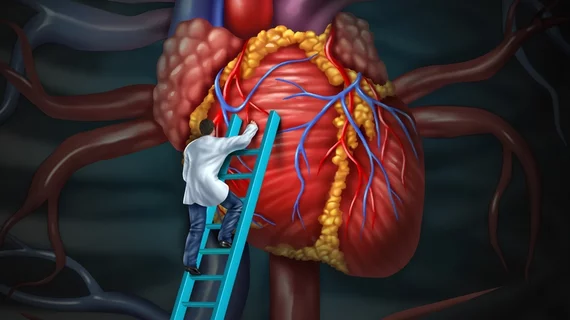
Researchers have developed a novel cardiovascular MRI protocol as an option to the invasive gold standard, endomyocardial biopsy, for monitoring heart-transplant patients at risk of suffering organ rejection.
Radiology researchers have demonstrated the reliability of an AI system they developed to automatically check placement of endotracheal tubes on chest X-rays.
Family engagement is seen as critical for the implementation of AI-based clinical decision support tools in pediatrics, which the authors of this study say will play an increasing role in healthcare.
The Anesthesia Patient Safety Foundation released a new policy statement detailing why the criminalization of medical errors is unjust and counterproductive.